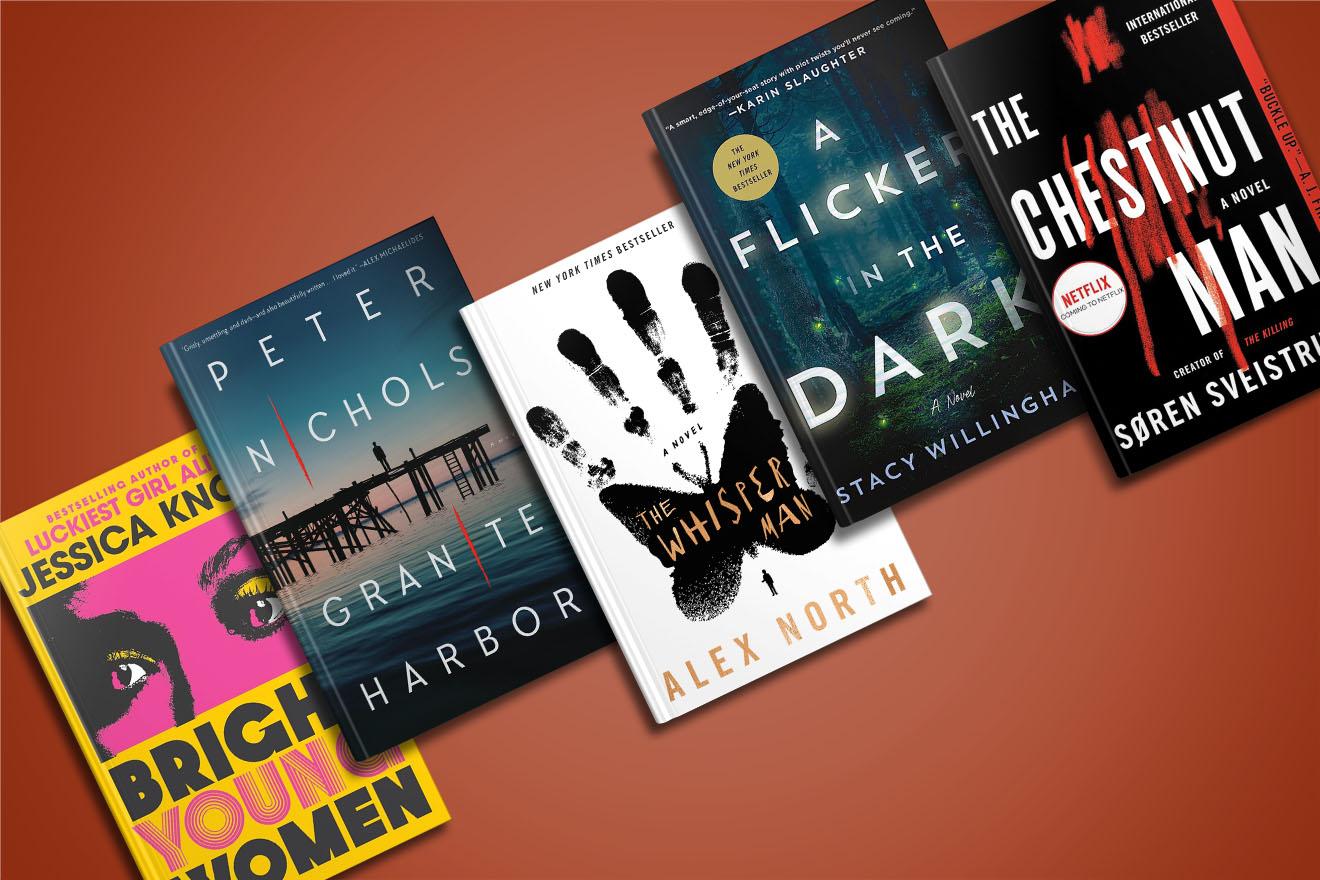
Why Gen Z Is Turning Book Clubs Into the New Nightlife
Book clubs are becoming bars, brunches, silent parties, friendship spaces and low-pressure nights out for a generation hungry for real connection.

A night out used to come with a familiar script. Loud music. Expensive drinks. A crowded room where conversation was almost impossible. Gen Z has not stopped wanting to go out. Many young people are changing what going out is supposed to provide.
Book clubs offer what traditional nightlife often struggles to give them. A reason to talk, a lower-pressure way to meet people, earlier and sometimes alcohol-free events, a ready-made community, and an identity that can move from BookTok into real life. The book starts the evening, but friendship, dating, fashion, food and belonging keep people coming back.
This is not only a social media impression. UK book club listings on Eventbrite rose 350 percent between 2019 and 2023, according to figures reported by The Guardian. Listings increased 41 percent in a single year from 2022 to 2023. By 2026, Eventbrite was describing a wider “reset to real” in which Gen Z and millennials were seeking more intentional in-person experiences.
The modern book club can still be six friends discussing one novel in a living room. It can also be a ticketed night in a bar, a silent reading party, a brunch, a book swap, a walk, a themed dinner, a speed-friending event or a gathering where half the room has not finished the book. That last detail does not make the movement fake. It reveals that reading has become social infrastructure.
The club fixes the hardest part of meeting new people
Walking into a room of strangers is uncomfortable because nobody knows what to say first. A book club removes that first problem. Everyone arrives with a shared object, even when their opinions are completely different.
The conversation can begin with a character and move toward work, family, politics, dating or the city itself. That movement feels natural because the book gives people some emotional cover. You can talk about a fictional breakup before admitting what your own breakup changed.
This matters for a generation that grew up building connections through profiles, feeds and group chats. Eventbrite’s research on new social spaces describes young adults moving from online communities toward gatherings organised around shared passions. Book clubs are almost perfectly designed for that journey. The identity is discovered online. The relationship becomes real in a room.
A book club lets strangers skip small talk without forcing instant intimacy. The story sits between them until trust catches up.
Why the format feels unusually comfortableEight reasons book clubs now feel like nightlife
The events have moved beyond the living room
Young organisers are holding reading events in cafes, bookshops, hotel lounges, galleries, libraries and bars. Some add DJs after a discussion. Others turn the evening into dinner, a craft session or a clothing swap.
The venue changes the meaning of the club. It becomes something people dress for, photograph and place on the calendar beside concerts or parties. Literature is no longer treated as the quiet activity that happens before social life begins.
Gen Z is interested in softer ways of going out
Traditional clubs can be loud, costly and built around drinking. Book events can begin at six, offer coffee or mocktails and end early enough that the next day is not lost.
This does not mean every young reader is sober or that dance floors are disappearing. It means nightlife is splitting into more forms. Eventbrite has described the rise of “soft clubbing”, where social energy is combined with wellness, daytime schedules or lower-alcohol choices.
BookTok made reading visible and social
BookTok did more than sell novels. It turned reactions, shelves, annotations and reading taste into public identity. A person who once read alone can now recognise thousands of people who cried at the same ending.
An in-person club converts that recognition into local community. It gives followers somewhere to go and creators something to organise. The algorithm may introduce the book, but the physical meeting offers what the feed cannot.
The book acts as a friendship filter
People do not need identical taste to become friends. They do need enough shared curiosity to stay in the conversation. A themed club can gather queer readers, romance fans, horror readers, new mothers, migrants, students or people interested in one language and culture.
That is more precise than entering a random crowded venue and hoping the right people happen to be there. The event has already done part of the social sorting.
It is becoming a dating space without feeling like a date
Dating app fatigue has made interest-based events more attractive. Eventbrite data shared with Axios showed that singles events doubled from 2022 to 2025. Running clubs, dinners and hobby gatherings are all part of the change. Book clubs fit because people can meet repeatedly without the pressure of a formal one-to-one encounter.
A person’s response to a novel also reveals more than a short profile. You see what makes them laugh, what they defend and whether they can listen when someone disagrees.
The format welcomes people who do not enjoy ordinary clubs
Not everyone likes dancing, drinking or shouting over music. Sports clubs can build strong communities, but they do not suit every body or personality. Book clubs create another route into repeated social life.
The repetition matters. One great event is entertainment. A monthly club lets faces become familiar, private jokes develop and casual contacts turn into friends.
Reading now carries cultural style
Books are appearing in dating profiles, fashion campaigns, travel plans and carefully photographed nights out. A June 2026 Guardian piece called the wider trend “booksmaxxing” and reported that mentions of books in Tinder bios had risen.
Some of this is performance. Social life has always involved performance. A nightclub outfit also tells the room who someone hopes to be. The useful question is whether the performance opens a door into real reading and real conversation.
The events mix interests instead of demanding one identity
A modern club may combine books with running, food, cinema, travel, art or music. That mixture makes the event easier to join. A hesitant reader can come for the meal. A shy guest can browse the book swap. A serious reader can stay for the discussion.
This flexible structure is one reason book clubs feel current. They allow people to be many things in the same room rather than choosing between “reader” and “party person”.
What a Gen Z book club night can actually look like
The discussion club
Everyone reads one title, arrives with notes and spends most of the evening talking. This remains the best format for readers who want close literary conversation.
The silent reading party
People bring different books, read together for a set period, then talk. It is useful for anyone who wants company without continuous conversation.
The book and activity club
A reading choice is paired with a walk, dinner, film screening, pottery class or exhibition. The extra activity gives members another way to connect.
The social-first gathering
The title creates a theme, but networking, friendship or dating takes more space than formal analysis. This can still be a valid book event when the purpose is clear.
There is no need to pretend these formats are the same. A person looking for a serious discussion may hate a crowded cocktail event where nobody finished chapter three. A person seeking new friends may find a strict two-hour close reading intimidating. Good organisers describe the balance before people buy a ticket.
For more ideas about literary events and travel, explore our guide to the most famous book fairs in the world and our Jaipur Literature Festival first-time visitor guide.
The trend has limits that organisers should not ignore
The new book-club scene can become expensive, exclusive and overly polished. A ticket, a new hardback, transport, food and the expectation to dress for photographs can recreate the barriers people hoped to escape from traditional nightlife.
Clubs also need to think about disability access, hearing needs, safe transport, different income levels and whether first-time guests are welcomed after the group has formed its inner circle. A community is not inclusive because its Instagram bio says it is.
Libraries, independent bookshops and free public groups remain important because they keep literary social life from becoming another lifestyle product. The best version of this trend offers many doors. Paid events can exist beside free clubs, online meetings, park gatherings and quiet reading rooms.
Gen Z is not replacing nightlife with homework. It is turning reading into a reason to leave the house, meet someone new and come home with more than a blurry photograph.
My final viewThe phrase “new nightlife” works because these clubs do more than discuss books. They organise anticipation, style, conversation and return. They give the week an event and the city a smaller room inside it.
Traditional nightlife will survive. So will private reading. The interesting change is that young readers no longer accept the idea that books belong on one side of life and social excitement belongs on the other.
Main research sources
The Guardian report on the UK book-club boom for Eventbrite and Meetup growth figures, changing formats and the connection with Gen Z hobbies.
Eventbrite’s 2026 Social Study announcement for the wider move toward intentional in-person experiences among Gen Z and millennials.
Eventbrite on Gen Z soft clubbing for the shift toward earlier, lower-pressure and wellness-linked social events.
Axios on offline dating and interest-based events for Eventbrite data showing that singles events doubled between 2022 and 2025.
The Guardian on “booksmaxxing” for the 2026 discussion of books, dating profiles, book clubs and reading as social identity.
Find your next literary night out
Keep exploring book culture, reading communities, festivals and the changing ways stories bring people together.
Explore Epiloguely