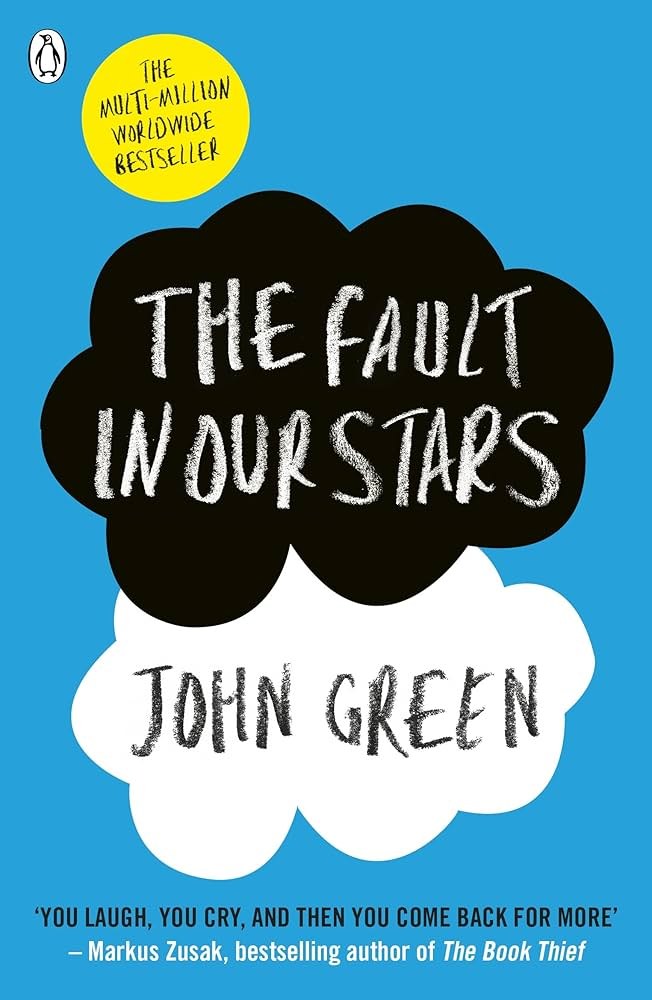
I stayed involved, though my confidence dipped when mortality became too convenient around the dialogue.
I became most involved through the people caught in mortality, especially around the dialogue. Hazel's skepticism and Augustus's theatrical confidence work because each sees through the other's performance. This gave the premise an emotional center rooted in love rather than theory.
The sections I enjoyed most involved the dialogue, parents' quiet grief, Amsterdam experience, and refusal to make illness a source of automatic wisdom. I understood the people better through the dialogue than through the more explanatory passages.
The book circles around mortality, love, suffering, legacy, family, fear, memory, and control over how one is remembered. I did not agree with every conclusion, but I liked being asked to judge actions connected to mortality, particularly around the dialogue, rather than accept a ready-made moral.
Several scenes improve on reflection because the dialogue acquires a different meaning later.
I found myself rereading the section around the dialogue, because it changes the emotional meaning of mortality without announcing the change.
I would recommend it with one warning: the teenagers sometimes sound like polished essayists. Even so, the connection between mortality and love stayed with me.
Book Summary
Hazel, a teenager living with cancer, meets Augustus at a support group and begins a relationship shaped by humor, fear, illness, and travel. Hazel's skepticism and Augustus's theatrical confidence work because each sees through the other's performance. What follows is a story concerned with mortality, love, suffering, legacy, family, fear, memory, and control over how one is remembered, told through pressure on trust, identity, and ordinary decisions.
What I Liked
What worked for me was the dialogue, parents' quiet grief, Amsterdam experience, and refusal to make illness a source of automatic wisdom. The book also benefits from this character choice: Hazel's skepticism and Augustus's theatrical confidence work because each sees through the other's performance. I remembered the scenes around the dialogue more clearly than the larger speeches.
What Could Be Better
The weaker part for me was that the teenagers sometimes sound like polished essayists, and symbolism can be heavily explained. It did not erase what worked in The Fault in Our Stars, though it made the structure feel more visible than I wanted.
Context Behind the Book
John Green is known for young-adult novels combining romance, humor, intellectual curiosity, grief, illness, and characters desperate to make meaning.