From BookTok to the Big Screen: How Viral Books Become Movies
A viral reading recommendation can now travel from a thirty-second video to bestseller tables, studio meetings, casting debates and global streaming releases. But the path from “TikTok made me read it” to “now streaming” is more complicated than it looks.
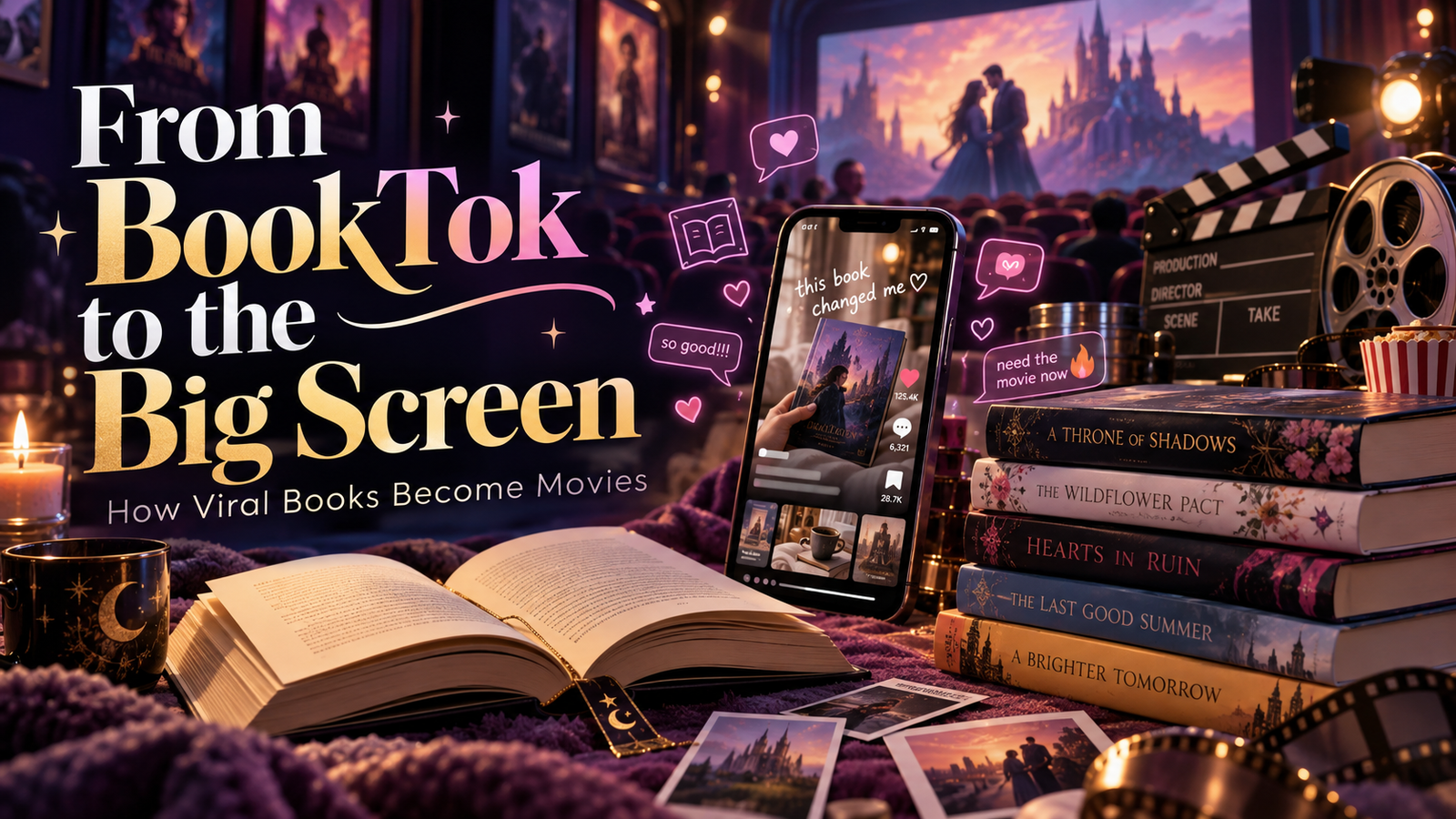
A few years ago, the phrase “viral book” sounded slightly contradictory. Books were supposed to build slowly: reviews, book clubs, word of mouth, paperback life, maybe a film deal if the right producer noticed. BookTok has compressed that timeline and made the enthusiasm visible in public.
A reader cries over a romance ending on camera. Someone posts a shelf of books that “destroyed me.” A fantasy series becomes the centre of fan theories, character art and dream-casting videos. Old titles suddenly return to bestseller tables. New releases arrive with thousands of readers already prepared to turn favourite scenes into clips before the first week is over.
Yes, but not in the simple sense that a viral hashtag automatically earns a studio deal. BookTok can create measurable sales, active fandom and proof that readers are emotionally invested in a story. Those signals can make an existing piece of intellectual property more attractive to producers, while the usual factors — rights, budget, genre, creative talent and commercial strategy — still decide whether a project reaches the screen.
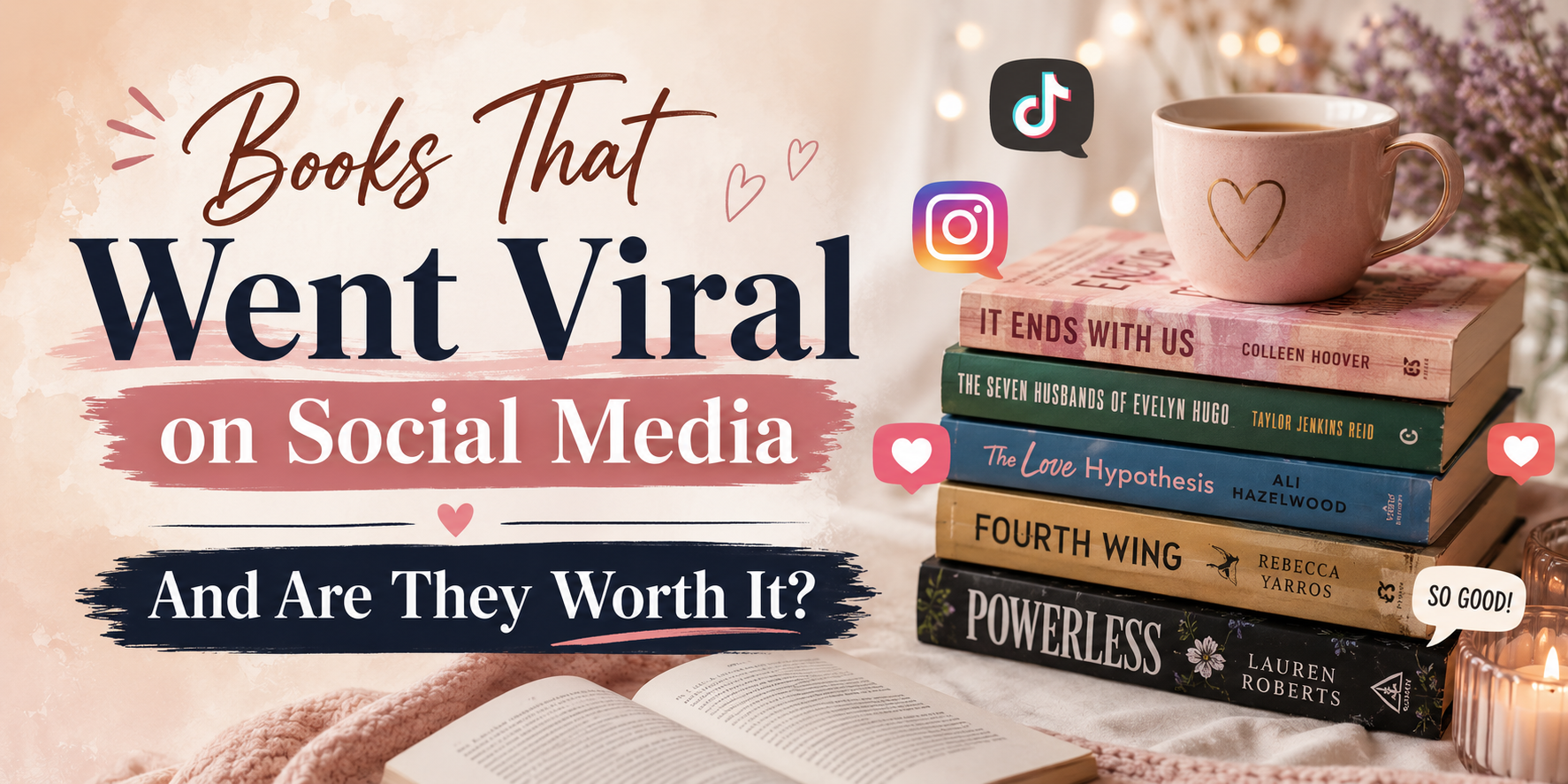
The scale is no longer easy to dismiss. TikTok said in March 2026 that more than 50 million books recommended by the #BookTok community were sold across major European markets during 2025, generating about €800 million in revenue, based on analysis from NielsenIQ BookData and Media Control. In October, TikTok and Media Control named Rebecca Yarros's Fourth Wing the first European #BookTok Bestseller of the Year. Those figures come from TikTok and its research partners, but they help explain why publishing and entertainment companies now watch online reading culture so closely.
BookTok changed the first step: discovery
BookTok's biggest disruption may be that discovery is no longer controlled mainly by publication date. A novel can be several years old and suddenly behave like a new release because enough readers begin talking about it at the same time.
Publishers Weekly documented this early with Colleen Hoover. It Ends with Us was originally published in 2016, but its later explosion on TikTok helped send Hoover's backlist into a completely different commercial life. Publishers Weekly reported that Hoover's print unit sales in 2021 were 693 percent higher than in 2020 as her books circulated heavily on the platform.
That matters to Hollywood because a backlist revival can look unusually attractive. The book has already survived publication. It has characters people quote, scenes readers argue about and a community producing free evidence of what emotionally connects. Studios have always adapted bestsellers. BookTok simply gives them another way to see where reader energy is building — sometimes years after a book's first launch.
The most valuable thing a viral book can give a studio is not a hashtag. It is evidence that strangers already care enough about the story to argue over how it should be cast.
Why visible fandom mattersHow a viral book actually moves toward the screen
The book develops a recognisable audience
Virality can mean a sudden sales jump, repeated recommendations, emotional reaction videos, fan art, trope-based posts or a community that keeps discussing a book long after release. Producers are not simply counting views; they are looking at whether the attention appears durable enough to represent an audience.
This is why BookTok has been especially powerful for romance, romantasy, YA and emotionally intense fiction. Those genres naturally generate favourite couples, betrayals, “book boyfriend” debates, shocking twists and highly visual fictional worlds.
Screen rights have to be available
A book becoming famous does not mean a studio can simply decide to make it. Film and television rights may already be controlled by a producer, production company or another buyer. Sometimes rights are acquired before publication; other times a sudden success creates a competitive situation later.
The deal itself is only the beginning. A producer may option a book and spend years trying to attach a screenwriter, director, actors and financing. Plenty of books announced as adaptations never become finished films.
The story needs a screen-shaped version
A novel can spend forty pages inside a character's head. A film cannot. Screen storytelling has different pressures: runtime, pacing, visual clarity and the need to externalise emotion.
This is where fan expectations collide with adaptation. Readers ask whether a movie will be “faithful,” but faithful can mean keeping every event, preserving the emotional arc, matching the tone or protecting the lines readers highlighted. A successful adaptation often has to remove material while convincing readers that the thing they loved is still present.
Casting becomes part of the fandom
BookTok readers often meet screen characters long before actors are hired. They have imagined faces, saved fan art and watched dozens of fancasts. Once official casting arrives, a private reading experience suddenly has a public face.
That can create enormous free attention, but it also creates risk. An actor may be judged against a physical description, fan art or an internet favourite who was never actually involved with production.
The movie becomes marketing for the book again
The relationship does not stop when a film premieres. Publishers issue tie-in editions, bookstores build adaptation tables and viewers who never saw the original BookTok videos discover the source novel for the first time.
Publishers Weekly reported in 2026 that publishers deliberately time movie tie-in editions around film marketing. It also noted that movie attention had already lifted sales of the standard paperback edition of Andy Weir's Project Hail Mary before the tie-in arrived.
Four adaptations that show how the loop works
It Ends with Us
Colleen Hoover's 2016 novel became one of BookTok's defining backlist successes years after publication. Its 2024 film adaptation then created another burst of book attention; Publishers Weekly's bestseller data showed the movie tie-in edition reaching No. 1 on its trade paperback list during the release period.
People We Meet on Vacation
Emily Henry told Netflix that the film existed because of the readers. Director Brett Haley said reader expectations helped guide choices about which scenes and lines mattered most. Netflix later announced development of Funny Story and Happy Place, with Henry set to write both adaptations.
The Love Hypothesis
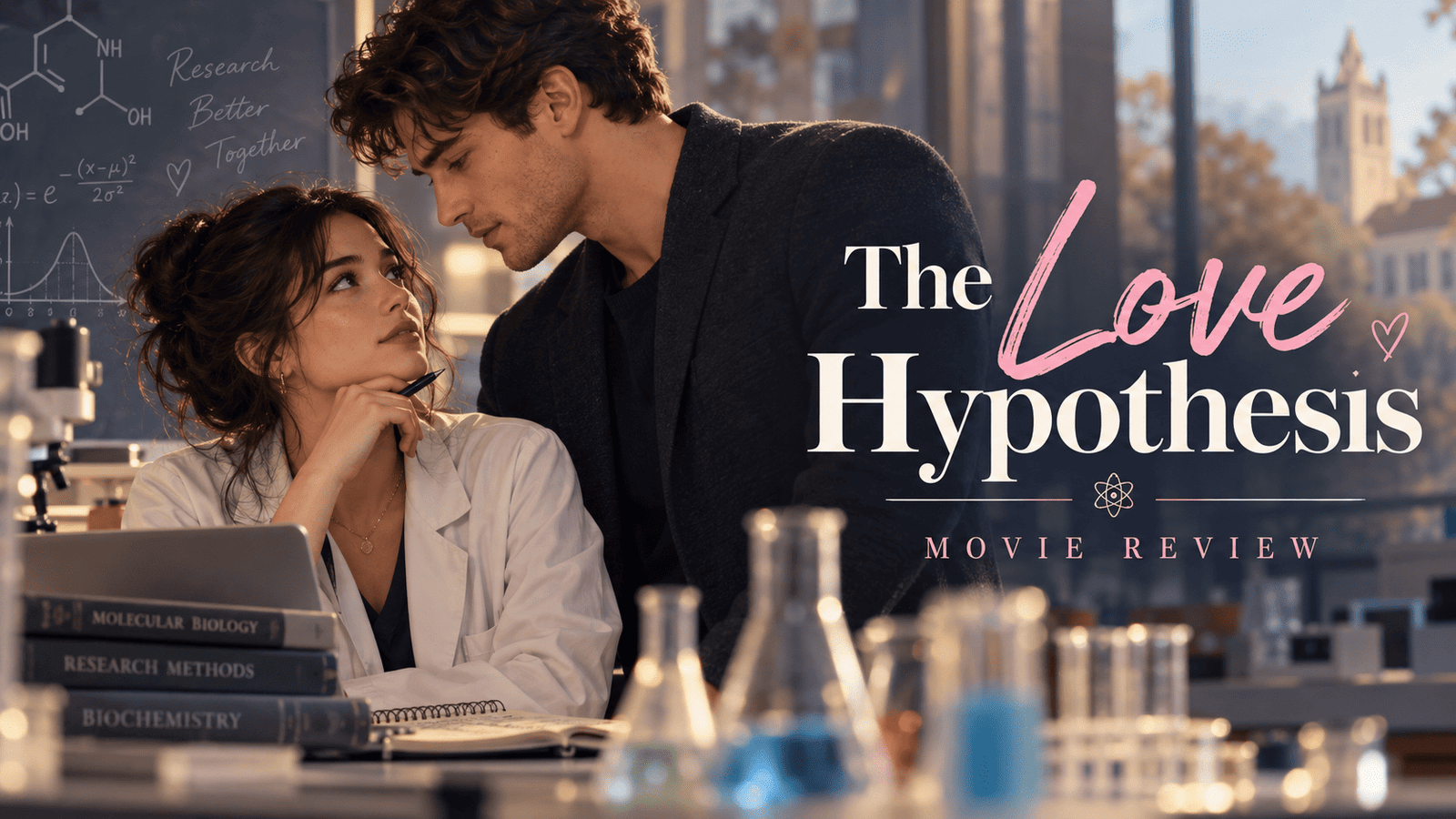
Ali Hazelwood's STEM romance moved from a heavily discussed bestseller to a 2026 Amazon MGM film starring Lili Reinhart and Tom Bateman. It is a clean example of recognisable tropes — fake dating, academic romance and slow-burn chemistry — moving from recommendation videos into screen marketing. Read our full The Love Hypothesis movie review.
Maxton Hall
TikTok highlighted the Prime Video adaptation of Mona Kasten's novel as a BookTok-to-screen success story. According to TikTok's 2026 Berlinale announcement, the series generated more than 120,000 community posts, became Prime Video's most successful non-U.S. series after its first season, and helped feed attention back into physical book sales in Germany.
Why studios like stories that arrive with readers attached
The entertainment business has always liked recognisable intellectual property. Classics, comic books, franchises and bestselling novels existed long before TikTok. What BookTok changes is the speed and granularity of the audience signal.
A studio can now see not only that a book sold well, but what readers obsess over. Is the romance the real hook? Is one side character generating disproportionate attention? Are readers making aesthetic videos around a fictional world? Which lines get quoted? Which scenes would cause outrage if they disappeared?
That information can be useful, but it can also encourage an overly cautious adaptation where every decision is made to avoid upsetting the loudest part of the fandom. The irony is that books become viral because readers felt something individual and intense. Turning that response into a checklist is not guaranteed to preserve it.
Netflix's own numbers show why the wider book-to-screen category is attractive. The company said book-based titles generated more than 9 billion global views in 2025 and represented nearly 20 percent of all hours watched on Netflix. During the first 13 weeks of 2026, adaptations occupied the No. 1 position on its English TV Top 10 for eight weeks. Those numbers include much more than BookTok favourites, but they show that stories with a previous life on the page are central to current streaming strategy.
BookTok has made adaptation culture participatory
Readers used to learn that a favourite book was becoming a movie and wait for entertainment magazines to reveal the cast. Now the audience spends the development period making its own version first.
There are fancasts before official casting, mood boards before production design, playlists before a composer is hired, scene wish lists before a screenplay is public and immediate reaction videos when a trailer changes one line of dialogue.
TikTok made that connection explicit in 2026 by launching a #BookToScreen BookTok Bestseller List at Berlinale, saying the list was intended to show where cultural momentum was building around books and adaptations. The language is corporate, but the underlying shift is real: reader behaviour has become legible to the screen business in a way that it was not a decade ago.
BookTok did not invent the book adaptation. It turned the waiting room between “I loved this novel” and “they're making a movie” into its own enormous piece of entertainment.
The new adaptation cultureWill this make adaptations better?
Not automatically.
A visible fandom can help a project understand what readers value, and an active community can give a thoughtful adaptation the audience it deserves. But popularity is not the same thing as adaptability. Some wonderful novels depend on voice, ambiguity or interior thought in ways that resist conventional screen storytelling.
There is also a danger that studios chase the appearance of fandom rather than the thing that created it. A book may trend because it feels intimate and specific. Sanding away those strange edges to produce something universally marketable can remove exactly what readers responded to.
The better possibility is that studios treat online enthusiasm as evidence of curiosity, not a set of instructions. The audience can tell them where the emotional electricity is. Filmmakers still have to build a movie.
If you want to see how reading itself is becoming more social, our article on why Gen Z book clubs are becoming the new nightlife looks at the offline side of the same cultural shift.
Sources & References
TikTok Newsroom — European #BookTok Bestseller of the Year, October 8, 2026 for the current bestseller ranking and 2026 reader survey context.
TikTok Newsroom — More than 50 million BookTok-recommended books sold across Europe for NielsenIQ BookData and Media Control figures covering 2025 sales.
TikTok Newsroom — #BookToScreen at Berlinale 2026 for the #BookToScreen Bestseller List and Maxton Hall case study.
Publishers Weekly — How TikTok Makes Backlist Books into Bestsellers for reporting on BookTok's power to revive older titles.
Publishers Weekly — Changes to Book Publicity for the reported 693 percent year-over-year increase in Colleen Hoover's print unit sales during her BookTok surge.
Publishers Weekly — These Books Are Getting Their Movie Makeovers for 2026 reporting on tie-in publishing and adaptation timing.
Netflix Tudum — New Book Adaptations Coming to Netflix in 2026 for Netflix's reported viewing figures for book-based titles.
Netflix Tudum — Adapting People We Meet on Vacation for comments from Emily Henry and director Brett Haley about reader expectations.
Netflix Tudum — Funny Story and Happy Place adaptations for Netflix's 2026 announcement that Emily Henry will write both films.
About Amazon — The Love Hypothesis on Prime Video for official information on the 2026 Amazon MGM adaptation.
The next bestseller may already be auditioning for Hollywood
Keep exploring book-to-screen adaptations, literary trends, new releases and the changing culture around reading on Epiloguely.
Explore Epiloguely