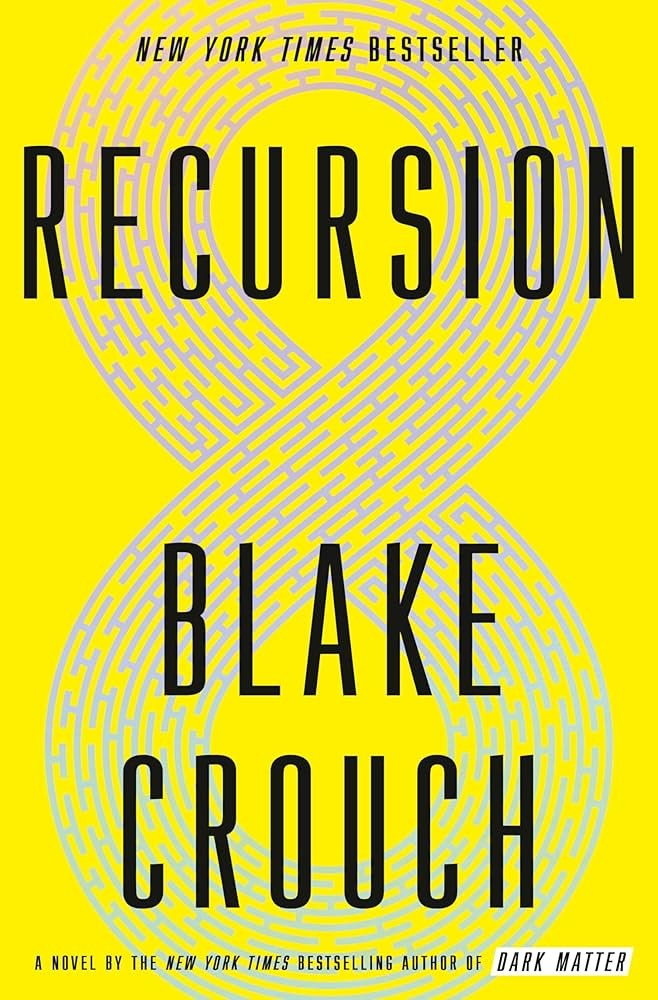
turns memory into reality-changing power. I did not need another twist before the false-memory premise entered the setup. I needed the people affected by memory around the false-memory premise to feel specific, and mostly they did.
For me, the real argument concerns memory and grief. The plot matters because it forces memory and grief into practical choices, where a clean belief becomes harder to maintain.
The material I kept returning to was the false-memory premise, repeated timelines, and the expanding consequences of private attempts to undo loss. The writing is confident here because it lets the false-memory premise carry meaning without a long explanation.
The weaker stretch comes from the fact that the emotional relationships are simplified, and the scale eventually becomes exhausting. The material needed one more honest scene about grief, especially around the false-memory premise, not another shortcut.
The pace is uneven, but the shifts usually follow a change in how the characters understand memory through the false-memory premise.
The book earns its place with me through the false-memory premise. Its unresolved problem remains the emotional relationships are simplified.
Book Summary
A detective investigates people dying from memories of lives they never lived while a neuroscientist's work turns memory into reality-changing power. The emotional pull comes from the fact that Helena's scientific ambition and Barry's grief give the huge concept a personal foundation. The novel deals with memory, grief, regret, technological responsibility, time, love, and the violence hidden in fixing the past without offering a completely clean answer.
What I Liked
What worked for me was the false-memory premise, repeated timelines, and the expanding consequences of private attempts to undo loss. The book also benefits from this character choice: Helena's scientific ambition and Barry's grief give the huge concept a personal foundation. I remembered the scenes around the false-memory premise more clearly than the larger speeches.
What Could Be Better
The weaker part for me was that the emotional relationships are simplified, and the scale eventually becomes exhausting. It did not erase what worked in Recursion, though it made the structure feel more visible than I wanted.
Context Behind the Book
Crouch frequently uses speculative technology to test identity, marriage, memory, and the choices people most desperately wish to reverse.