The Authenticity Project Review
| Published | 2020-02-04 |
| Series | Standalone |
| Genre | Contemporary Fiction, Community Fiction |
| Language | English |
| Publisher | Pamela Dorman Books / Viking |
| ISBN-10 | 1984878611 |
| ISBN-13 | 9781984878618 |
📝Epiloguely Editorial Review
Written and reviewed by Shadab Alam.
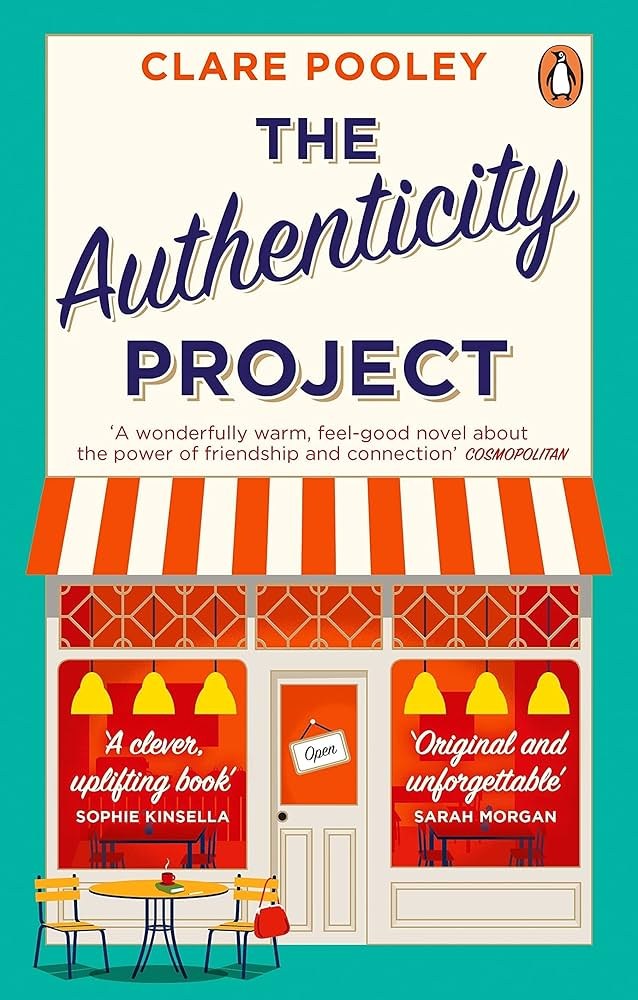
The Authenticity Project works best when it stops feeling like a clever premise and starts feeling like a story about people who have become very good at hiding how lonely they are. The idea is simple: a lonely artist leaves a notebook in a café and writes an honest account of his life, inviting whoever finds it to do the same before passing it on. One confession leads to another, and gradually a group of strangers begins to form around truths they might never have admitted face to face.
What interested me most was not the notebook itself but what happens once those written confessions begin affecting real relationships. Writing honestly on a page is one thing. Living with that honesty once other people know you is much harder. The novel understands that difference, and that is where the premise becomes more than a sentimental exercise.
The café gives the story a useful center. People come and go, conversations overlap, and characters who would probably never have chosen one another slowly become part of the same social circle. I liked the way that community develops almost accidentally. Nobody sets out to build a found family. People simply keep returning, getting involved in one another’s problems, offering help, creating new complications, and becoming harder to avoid.
That messiness matters.
The characters are not only improved by the community around them. They are also inconvenienced by it. They have to explain themselves. They get judged. They misunderstand one another. Sometimes another person’s honesty creates a problem rather than solving one.
That made the theme of honesty more interesting to me.
The book could easily have argued that telling the truth automatically makes life better. Instead, some confessions expose the distance between how a person sees themselves and how they actually behave. A character can write something deeply sincere and still be selfish five minutes later.
Reader Reviews
0 published written reviews · Reader star ratings remain separate from the editorial rating.
📊Reader Rating Breakdown
🎭Vibe Check
Use the separate comment-style discussion room for spoilers, endings, characters, theories, questions, and replies. Formal reader reviews stay on this page.
Discover Your Next Great Read
Handpicked recommendations from our collection of literary treasures