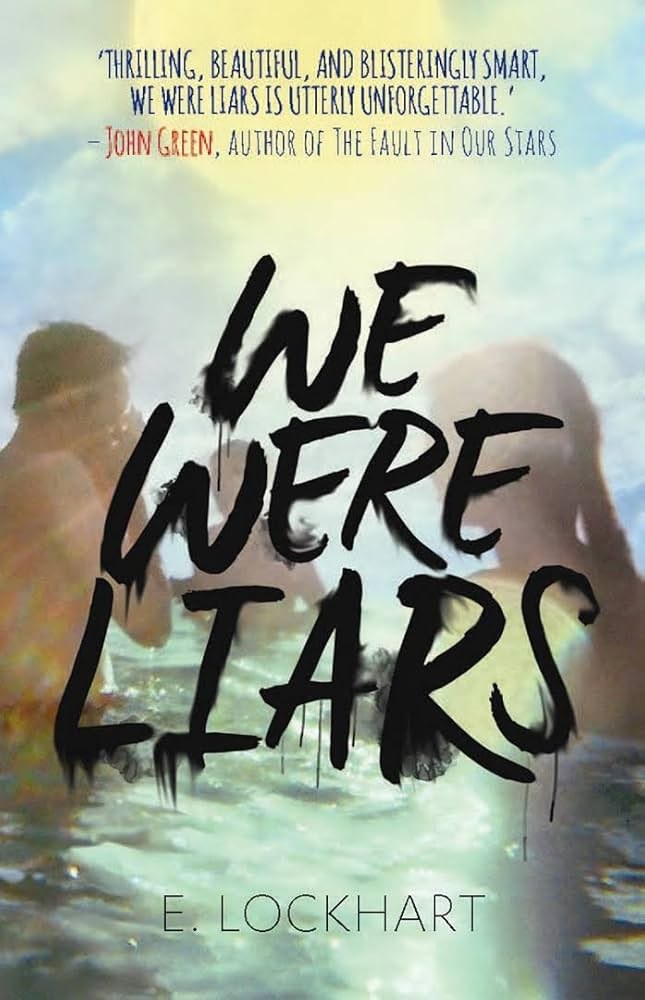
tries to understand what happened during a summer nobody discusses. I did not need another twist before the island atmosphere entered the setup. I needed the people affected by wealth around the island atmosphere to feel specific, and mostly they did.
For me, the real argument concerns wealth and prejudice. The plot matters because it forces wealth and prejudice into practical choices, where a clean belief becomes harder to maintain.
The material I kept returning to was the island atmosphere, fairy-tale interruptions, broken prose, and emotional recontextualization produced by the reveal. The writing is confident here because it lets the island atmosphere carry meaning without a long explanation.
The weaker stretch comes from the fact that the twist depends on narrative concealment, and some readers will find the style affected. The material needed one more honest scene about prejudice, especially around the island atmosphere, not another shortcut.
The pace is uneven, but the shifts usually follow a change in how the characters understand wealth through the island atmosphere.
The experience of We Were Liars was uneven, but never empty. I am still caught on the question of wealth and who gets to define it.
Book Summary
Cadence returns to her wealthy family's private island with gaps in memory and tries to understand what happened during a summer nobody discusses. The emotional pull comes from the fact that Cadence's fragmented voice suits trauma and privilege, though the other Liars are remembered more as a unit than individuals. The novel deals with wealth, prejudice, memory, guilt, idealism, family myth, privilege, and self-deception without offering a completely clean answer.
What I Liked
The best material for me was the island atmosphere, fairy-tale interruptions, broken prose, and emotional recontextualization produced by the reveal. I also responded to the way Cadence's fragmented voice suits trauma and privilege, though the other Liars are remembered more as a unit than individuals. Together, those choices made the people in We Were Liars feel more important than the premise.
What Could Be Better
I was less convinced because the twist depends on narrative concealment, and some readers will find the style affected. I could understand the intention in We Were Liars, yet the execution felt easier than the surrounding material.
Context Behind the Book
E. Lockhart writes young-adult fiction about identity, privilege, deception, and unstable personal narratives; this novel became famous through spoiler-free reader recommendations.