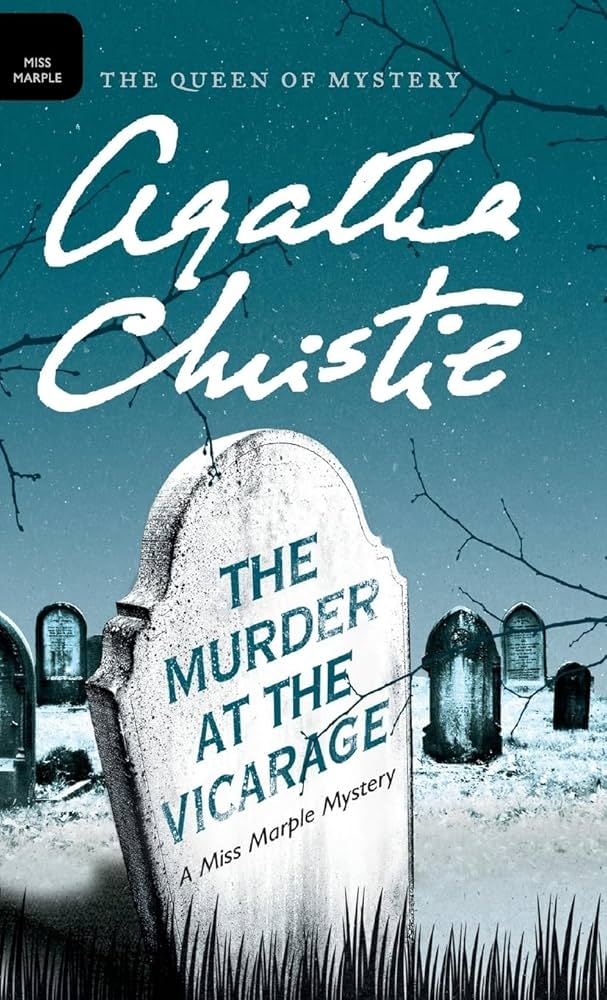
everything. Christie does a brilliant job of showing how an observant person can solve a crime just by comparing the suspects to people they've known in the village. "Human nature is much the same everywhere," as Miss Marple says, and this book proves it.
One detail stayed with me after I finished The Murder at the Vicarage. The humor in this book is genuinely underrated; the Vicar's internal monologue about his eccentric parishioners is hilarious. The part of The Murder at the Vicarage that held it back was just as clear. Because it was written in 1930, some of the social dynamics and the sheer number of characters can get a bit confusing at first. That mix in The Murder at the Vicarage left me with a more specific reaction than a simple recommendation would.
The plot is a bit of a maze with multiple people confessing to the crime, which really messes with your head. It's a classic "whodunnit" where you have to look past the obvious clues and focus on the timing. It's charming, witty, and a little bit dark under the surface. It's the kind of book that makes you realize that even the most peaceful-looking village can hide some pretty ugly secrets.
Book Summary
The story takes place in the sleepy village of St. Mary Mead, where everyone seems to hate the local magistrate, Colonel Protheroe. In fact, the Vicar himself once said that anyone who killed the Colonel would be doing the world a favor. When the Colonel is found dead in the Vicar's own study, there's no shortage of suspects. Luckily, the Vicar's neighbor is Miss Marple, a sharp-eyed elderly lady who knows exactly how "village life" works and realizes that people aren't always what they seem.
What I Liked
The humor in this book is genuinely underrated; the Vicar's internal monologue about his eccentric parishioners is hilarious. I also loved how Miss Marple is introduced,not as a superhero, but as a clever woman who everyone underestimates. The way the village of St. Mary Mead feels like a character in itself, with its own rules and scandals, makes the whole story feel very immersive and "lived-in."
What Could Be Better
Because it was written in 1930, some of the social dynamics and the sheer number of characters can get a bit confusing at first. There are moments where the plot relies heavily on very specific timings and "who was where at 6:42 PM," which can feel a little tedious if you aren't in the mood for heavy note-taking. Also, Miss Marple doesn't get as much "screen time" as I would have liked, since the focus is mostly on the Vicar and the police.
Context Behind the Book
This book marked a major shift for Agatha Christie as she introduced a female detective who relied on intuition and social observation rather than the "scientific" methods of Hercule Poirot.