Through him, Achilles can be tender and vain, playful and frightening, human and already halfway claimed by myth. Patroclus sees the boy beneath the hero, which makes every step toward Troy feel like a loss before the war has even started.
Thetis is one of the most memorable characters. She hates Patroclus because she believes he makes Achilles smaller and more human when Achilles is meant for greatness. She is cruel, but her cruelty comes from a completely different understanding of time and value. Human happiness means almost nothing to an immortal who is thinking about the name her son will leave behind. Every scene with her carries the pressure of the future.
I did have some difficulty with Patroclus in the middle. His gentleness is essential to the contrast with Achilles, but the novel sometimes makes him so morally clear that he feels less complicated than everyone around him. He becomes a healer and a witness while Achilles carries most of the anger, ambition, and contradiction. I understood the choice, but i occasionally wanted Patroclus to have desires that were not organized around Achilles.
The romance itself is written with restraint. There are intimate scenes, but the book is more interested in recognition than spectacle: the feeling of one person becoming the place where another person is fully known. That is why the final section works. The tragedy is not simply that death comes. It is that reputation, pride, war, and family all keep trying to define what these two men were to each other.
Miller also handles Achilles's famous anger well. The novel does not excuse the damage he causes, particularly when his wounded pride affects people with far less power. Loving someone does not make Patroclus blind to what that person can become. Some of the strongest pages are the ones where devotion and moral horror exist beside each other.
The ending is beautiful without trying to avoid grief. Miller finds a final image that gives Patroclus a form of recognition the world around him repeatedly denies. I had expected the book to make me sad. I did not expect it to make the ancient story feel so personal, as though history had narrowed down to two names carved beside each other.
The early sections on Mount Pelion were my favorite part of the book. Achilles and Patroclus train under Chiron, and for a while the story is allowed to exist outside politics and prophecy. Miller makes their happiness feel temporary without making it feel false. The natural world is present in every scene and the prose has a soft, almost luminous quality that fits the distance of myth while keeping the emotions immediate.
Book Summary
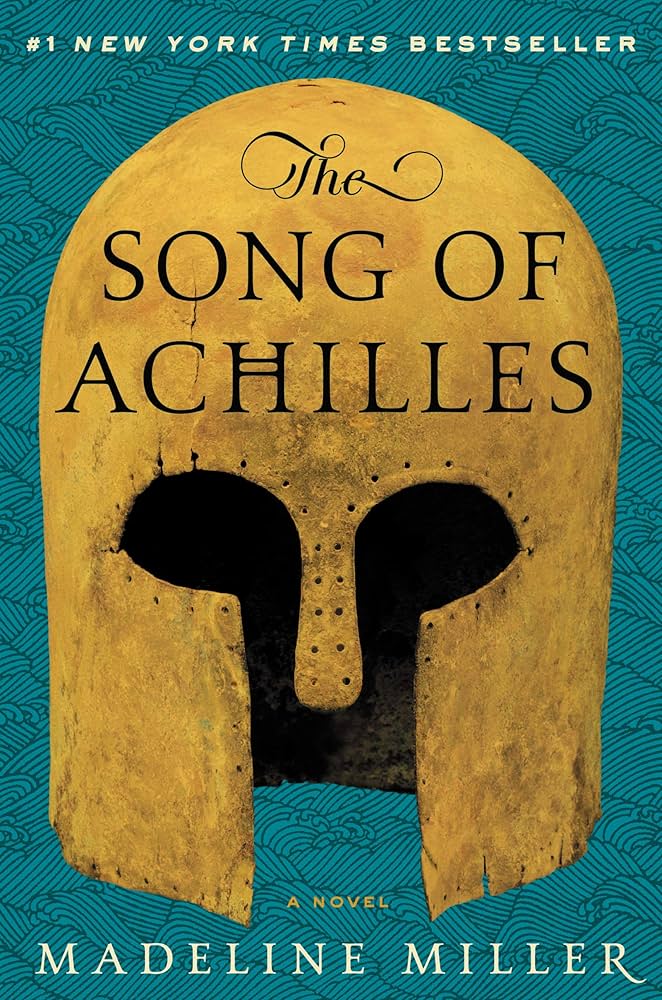
Patroclus is an awkward young prince sent into exile after a childhood act of violence. At the court of King Peleus he forms an unlikely friendship with Achilles, the brilliant son of a mortal king and the sea goddess Thetis. Their bond deepens while they train under Chiron, but prophecy and war pull Achilles toward Troy, where he is promised either a long ordinary life or brief immortal fame. Patroclus follows him into the conflict that becomes the Iliad. Told from the viewpoint of the man closest to Achilles, the novel turns a familiar myth into an intimate story about love, pride, reputation, and the human cost of becoming a legend.
What I Liked
Patroclus's point of view gives the myth a tenderness i had not expected. Achilles is still extraordinary, but he is first a boy who laughs, plays music, gets jealous, and wants to be understood. Watching the heroic identity close around that private person gives the story its tension.
Miller's prose is lyrical without becoming difficult. The early scenes with Chiron and the descriptions of the setting have a calm beauty that makes Troy feel even harsher when the story reaches it. Thetis is also excellent. She is terrifying because her idea of love is connected to immortality and fame rather than ordinary human happiness.
What Could Be Better
Patroclus is written as such a gentle moral counterweight to Achilles that he occasionally loses complexity of his own. His work as a healer gives him purpose, but many of his decisions still feel defined mainly by what Achilles needs or refuses to do. I wanted more anger and contradiction from him earlier in the novel.
Readers who prefer retellings that radically challenge the source may also find this one fairly faithful in its major events.
Context Behind the Book
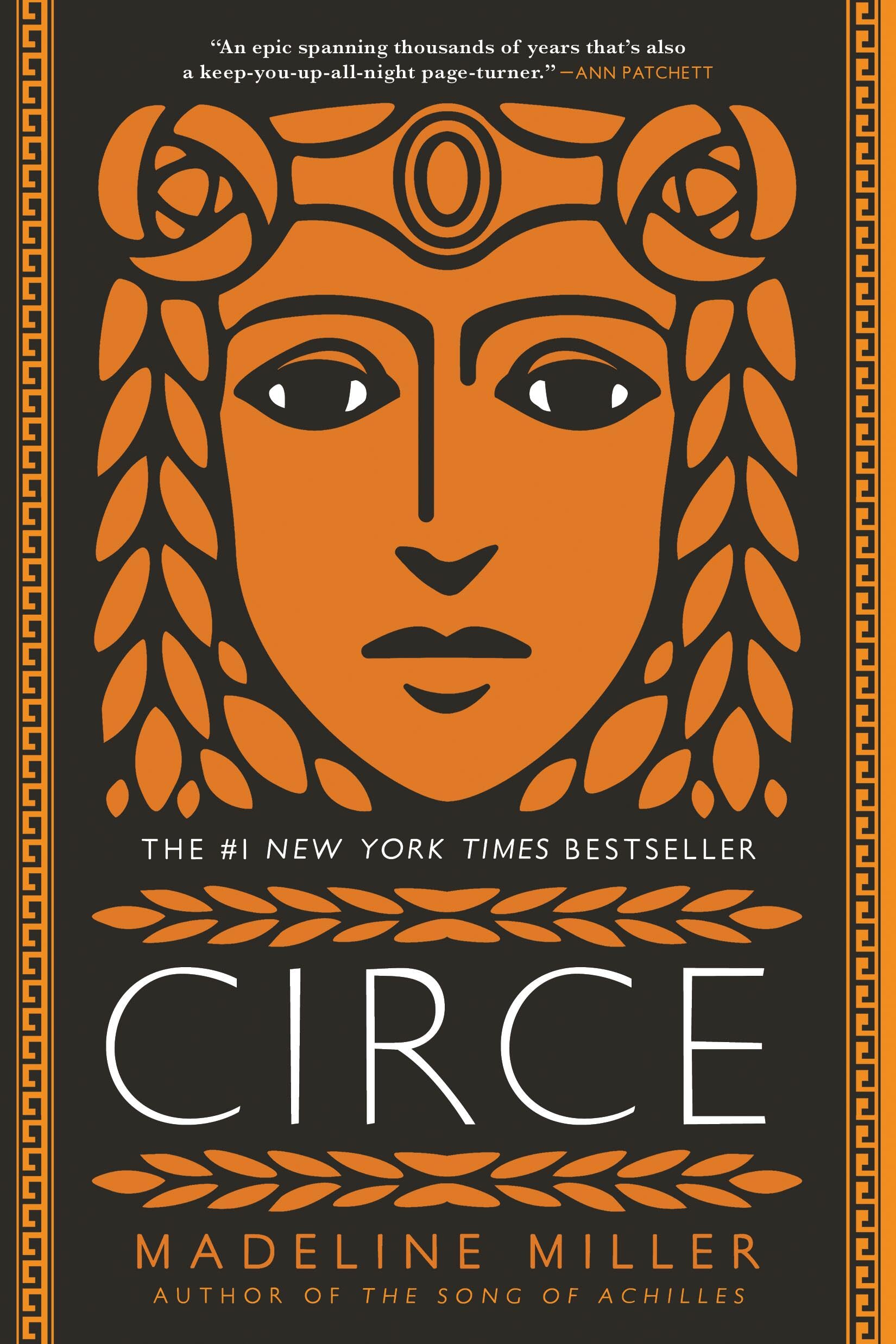
Madeline Miller studied classics at Brown University and spent years teaching Latin, Greek, and Shakespeare before publishing her first novel. The Song of Achilles took roughly a decade to write and won the 2012 Orange Prize for Fiction, bringing a classical retelling to a very broad audience. Her later novel Circe returned to Greek mythology from the viewpoint of a woman usually kept at the edge of heroic stories. Miller's work is shaped by close knowledge of the ancient texts, but she writes them as emotional novels rather than academic exercises. Her strongest interest is often the private person hidden behind a famous mythic name.