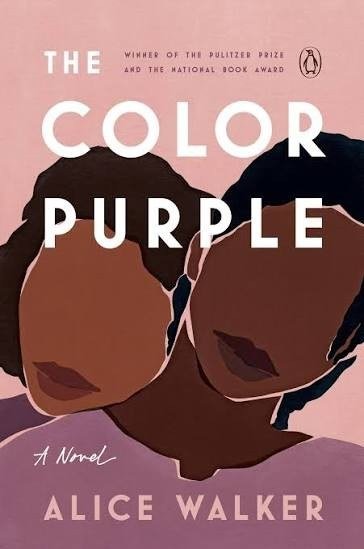
Celie's changing language is the novel's greatest achievement because her voice expands with her world and confidence. I could see fear and habit behind the behavior, especially when race was at stake.
The larger subject is abuse, race, sexuality, faith, economic independence, creativity, and chosen family. I appreciated that abuse is tied to money, family, work, and Celie rather than left as an abstract idea.
The weaker stretch comes from the fact that some transformations arrive quickly, and a few male characters change more neatly than expected. The problem matters because the surrounding chapters handle abuse, particularly Celie, with much more control.
The material I kept returning to was Celie and Shug's complicated bond, the sisters' relationship, and the way letters become self-creation. Whenever Celie appears, the book stops arranging ideas and starts observing people.
I also noticed how often abuse appears through routine while race remains unspoken.
The book leaves enough room for disagreement about abuse, especially around Celie, which made my own reaction more precise.
My rating is 4.8/5. The ending left me with abuse, not with a neat sense that every problem had been solved.
Book Summary
Celie writes letters through years of abuse, separation, work, friendship, love, and the discovery that her life can belong to her. Celie's changing language is the novel's greatest achievement because her voice expands with her world and confidence. The plot uses that situation to examine abuse, race, sexuality, faith, economic independence, creativity, and chosen family, especially when a private choice begins affecting people who had no say in it.
What I Liked
My favorite parts involved Celie and Shug's complicated bond, the sisters' relationship, and the way letters become self-creation. They worked especially well because Celie's changing language is the novel's greatest achievement because her voice expands with her world and confidence. In The Color Purple, the result felt specific rather than manufactured.
What Could Be Better
My reservation is that some transformations arrive quickly, and a few male characters change more neatly than expected. Another reader may accept it, but I felt The Color Purple lose some control there.
Context Behind the Book
Alice Walker is a novelist, poet, and essayist whose work centers Black women's creativity, violence, spirituality, community, and self-possession.