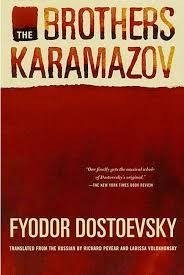
Dmitri, Ivan, and Alyosha feel like competing parts of one moral argument: appetite, intellect, and compassion. I disagreed with several decisions, but the fear connected to free will rarely felt invented when the family confrontations entered the scene.
The book circles around faith, free will, responsibility, family hatred, desire, and accountability for unacted thoughts. I did not agree with every conclusion, but I liked being asked to judge actions connected to faith, particularly around the family confrontations, rather than accept a ready-made moral.
The weaker stretch comes from the fact that the length and Russian names require concentration, and some arguments pause the story for many pages. The issue did not ruin the experience, though it made the handling of free will, especially the family confrontations, feel arranged for effect.
The material I kept returning to was the family confrontations, Ivan's philosophical chapters, Alyosha's listening, and the courtroom drama. The effect comes from accumulation around the family confrontations, not from one oversized speech.
Several scenes improve on reflection because the family confrontations acquires a different meaning later.
I would recommend it with one warning: the length. Even so, the connection between faith and free will stayed with me.
Book Summary
Three brothers and their reckless father become entangled in money, desire, resentment, faith, and a murder exposing the family's deepest conflicts. Dmitri, Ivan, and Alyosha feel like competing parts of one moral argument: appetite, intellect, and compassion. The plot uses that situation to examine faith, free will, responsibility, family hatred, desire, and accountability for unacted thoughts, especially when a private choice begins affecting people who had no say in it.
What I Liked
I was most engaged by the family confrontations, Ivan's philosophical chapters, Alyosha's listening, and the courtroom drama. Dmitri, Ivan, and Alyosha feel like competing parts of one moral argument: appetite, intellect, and compassion. The combination gave The Brothers Karamazov warmth, tension, or unease exactly where it needed it.
What Could Be Better
I had trouble with the fact that the length and Russian names require concentration, and some arguments pause the story for many pages. A little more restraint or development around faith in The Brothers Karamazov would have made the emotional result more convincing.
Context Behind the Book
Dostoevsky's final novel gathered many lifelong concerns into one family whose private hatred becomes a public moral crisis.