drives the search, though the building's residents are more intriguing as a group than individually. The person on the page is allowed to be inconsistent about wealth, which made the choices easier to trust. I was most attentive during the closed-building setting, hidden passages, multiple narrators, and elegant facade covering an exploitative system. The attention paid to the closed-building setting gives the larger question of wealth a human scale.
For me, the real argument concerns wealth and exploitation. The plot matters because it forces wealth and exploitation into practical choices, where a clean belief becomes harder to maintain.
I did lose confidence when the residents blur together, coincidences accumulate, and the reveal is less surprising than the atmosphere. A little more patience would have made the material around wealth easier to believe.
I found myself rereading the section around the closed-building setting, because it changes the emotional meaning of wealth without announcing the change.
The book works better as a study of wealth than as a perfectly balanced plot. The closed-building setting is the part I remember first.
Book Summary
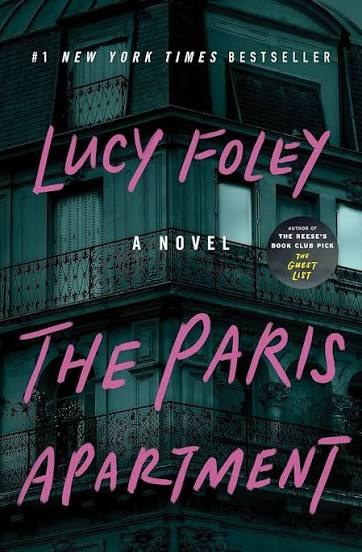
Jess arrives at her brother's expensive Paris apartment and finds him missing while every resident appears to be hiding something. The book becomes most personal when Jess's stubborn outsider view drives the search, though the building's residents are more intriguing as a group than individually. Its wider questions involve wealth, exploitation, family loyalty, voyeurism, class, secrecy, and private economies, but they remain connected to what the characters risk and lose.
What I Liked
What worked for me was the closed-building setting, hidden passages, multiple narrators, and elegant facade covering an exploitative system. The book also benefits from this character choice: Jess's stubborn outsider view drives the search, though the building's residents are more intriguing as a group than individually. I remembered the scenes around the closed-building setting more clearly than the larger speeches.
What Could Be Better
The weaker part for me was that the residents blur together, coincidences accumulate, and the reveal is less surprising than the atmosphere. It did not erase what worked in The Paris Apartment, though it made the structure feel more visible than I wanted.
Context Behind the Book
Foley's ensemble mysteries create pressure through isolated locations, social groups, multiple narrators, and secrets distributed unevenly among suspects.