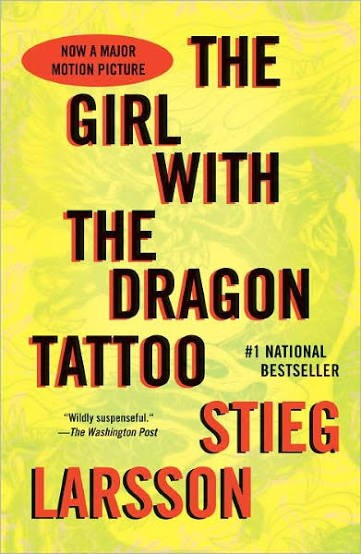
The strongest pull in The Girl with the Dragon Tattoo comes from people living inside the consequences of violence against women, not from any single reveal.
The emotional center becomes clear once the characters begin paying for violence against women, often through the investigative detail. Lisbeth's intelligence, anger, survival, and refusal to behave acceptably make her the novel's most compelling force. The character remains difficult without becoming random, which matters when violence against women is expressed through the investigative detail.
Journalist Mikael Blomkvist and hacker Lisbeth Salander investigate a decades-old disappearance inside a wealthy Swedish family. I did not need another twist before the investigative detail entered the setup. I needed the people affected by violence against women around the investigative detail to feel specific, and mostly they did.
For me, the real argument concerns violence against women and corruption. The plot matters because it forces violence against women and corruption into practical choices, where a clean belief becomes harder to maintain.
The material I kept returning to was the investigative detail, cold family setting, financial corruption, and unusual partnership between Mikael and Lisbeth. The writing is confident here because it lets the investigative detail carry meaning without a long explanation.
The weaker stretch comes from the fact that the sexual violence is graphic, financial sections are dense, and Mikael's romantic appeal feels self-indulgent. The material needed one more honest scene about corruption, especially around the investigative detail, not another shortcut.
I found myself rereading the section around the investigative detail, because it changes the emotional meaning of violence against women without announcing the change.
The book does not close every question around corruption. That unfinished pressure around corruption is more memorable than a cleaner answer would have been.
What I Liked
My favorite parts involved the investigative detail, cold family setting, financial corruption, and unusual partnership between Mikael and Lisbeth. They worked especially well because Lisbeth's intelligence, anger, survival, and refusal to behave acceptably make her the novel's most compelling force. In The Girl with the Dragon Tattoo, the result felt specific rather than manufactured.
What Could Be Better
My reservation is that the sexual violence is graphic, financial sections are dense, and Mikael's romantic appeal feels self-indulgent. Another reader may accept it, but I felt The Girl with the Dragon Tattoo lose some control there.
Context Behind the Book
Stieg Larsson was a Swedish journalist and activist who died before publication; his work reflects concern with extremism, corruption, and violence against women.