Amir's weakness makes him difficult but believable, while Hassan's goodness risks becoming too idealized. I disagreed with several decisions, but the fear connected to class rarely felt invented when the early Kabul chapters entered the scene.
The book circles around friendship, class, ethnicity, cowardice, exile, fatherhood, guilt, and the possibility of repair. I did not agree with every conclusion, but I liked being asked to judge actions connected to friendship, particularly around the early Kabul chapters, rather than accept a ready-made moral.
The weaker stretch comes from the fact that the coincidences are heavy, and several Afghan characters are defined mainly through Amir's redemption. The issue did not ruin the experience, though it made the handling of class, especially the early Kabul chapters, feel arranged for effect.
The material I kept returning to was the early Kabul chapters, father-son tension, and the strong momentum of the redemption plot. The effect comes from accumulation around the early Kabul chapters, not from one oversized speech.
The quietest pages connect friendship to class more convincingly than the louder scenes do.
Readers who enjoy historical fiction, family drama with moral friction will probably get the most from it. I finished still thinking about friendship.
Book Summary
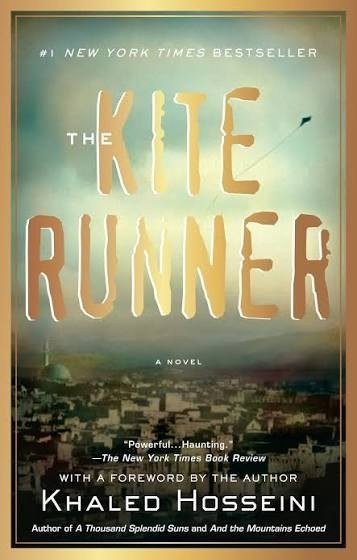
Amir grows up in Kabul with Hassan, the son of his father's servant, then carries the guilt of betrayal into exile and adulthood. Amir's weakness makes him difficult but believable, while Hassan's goodness risks becoming too idealized. The plot uses that situation to examine friendship, class, ethnicity, cowardice, exile, fatherhood, guilt, and the possibility of repair, especially when a private choice begins affecting people who had no say in it.
What I Liked
I liked the early Kabul chapters, father-son tension, and the strong momentum of the redemption plot. Amir's weakness makes him difficult but believable, while Hassan's goodness risks becoming too idealized. Those details gave The Kite Runner a distinct emotional shape, and the writing trusted the scenes instead of explaining every idea twice.
What Could Be Better
My main problem was that the coincidences are heavy, and several Afghan characters are defined mainly through Amir's redemption. The Kite Runner remained readable, but those choices reduced the force of scenes that should have landed harder.
Context Behind the Book
Khaled Hosseini was born in Kabul and later settled in the United States; his novels connect Afghan history with direct, emotional family stories.