Their relationship gives the novel its emotional strength because solidarity grows from suspicion, necessity, and shared danger. That contradiction made the emotional logic around patriarchy believable, especially in scenes involving the domestic scenes where trust forms.
The sections I enjoyed most involved the domestic scenes where trust forms, Mariam's hard-won sense of worth, and the historical sweep. These details, especially the domestic scenes where trust forms, gave me something concrete to hold while the book dealt with patriarchy.
I kept returning to patriarchy, war, motherhood, friendship, sacrifice, home, and survival under unstable power. The book is better when patriarchy and war appear in behavior, especially in who gets believed and who carries the cost afterward.
My main reservation is that the abusive husband is almost entirely monstrous, and the plot sometimes presses too deliberately on emotion. I could accept some roughness, but this choice weakened the book's treatment of patriarchy, especially after the domestic scenes where trust forms.
A small strength is how silence changes the meaning of scenes built around the domestic scenes where trust forms.
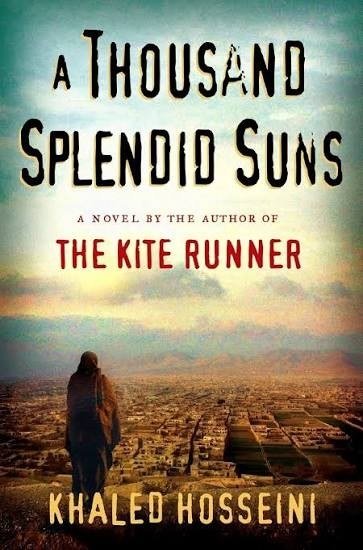
For me, A Thousand Splendid Suns is strongest as a book about patriarchy and war. The detail I carried away was the domestic scenes where trust forms.
Book Summary
Mariam and Laila, women from different generations, are forced into the same marriage and gradually build a bond as Afghanistan changes around them. Their relationship gives the novel its emotional strength because solidarity grows from suspicion, necessity, and shared danger. The story examines patriarchy, war, motherhood, friendship, sacrifice, home, and survival under unstable power through choices that become harder once their cost reaches other people.
What I Liked
The best material for me was the domestic scenes where trust forms, Mariam's hard-won sense of worth, and the historical sweep. I also responded to the way Their relationship gives the novel its emotional strength because solidarity grows from suspicion, necessity, and shared danger. Together, those choices made the people in A Thousand Splendid Suns feel more important than the premise.
What Could Be Better
I was less convinced because the abusive husband is almost entirely monstrous, and the plot sometimes presses too deliberately on emotion. I could understand the intention in A Thousand Splendid Suns, yet the execution felt easier than the surrounding material.
Context Behind the Book
Hosseini's second novel shifted attention toward Afghan women across decades of political change, combining national history with intimate melodrama.