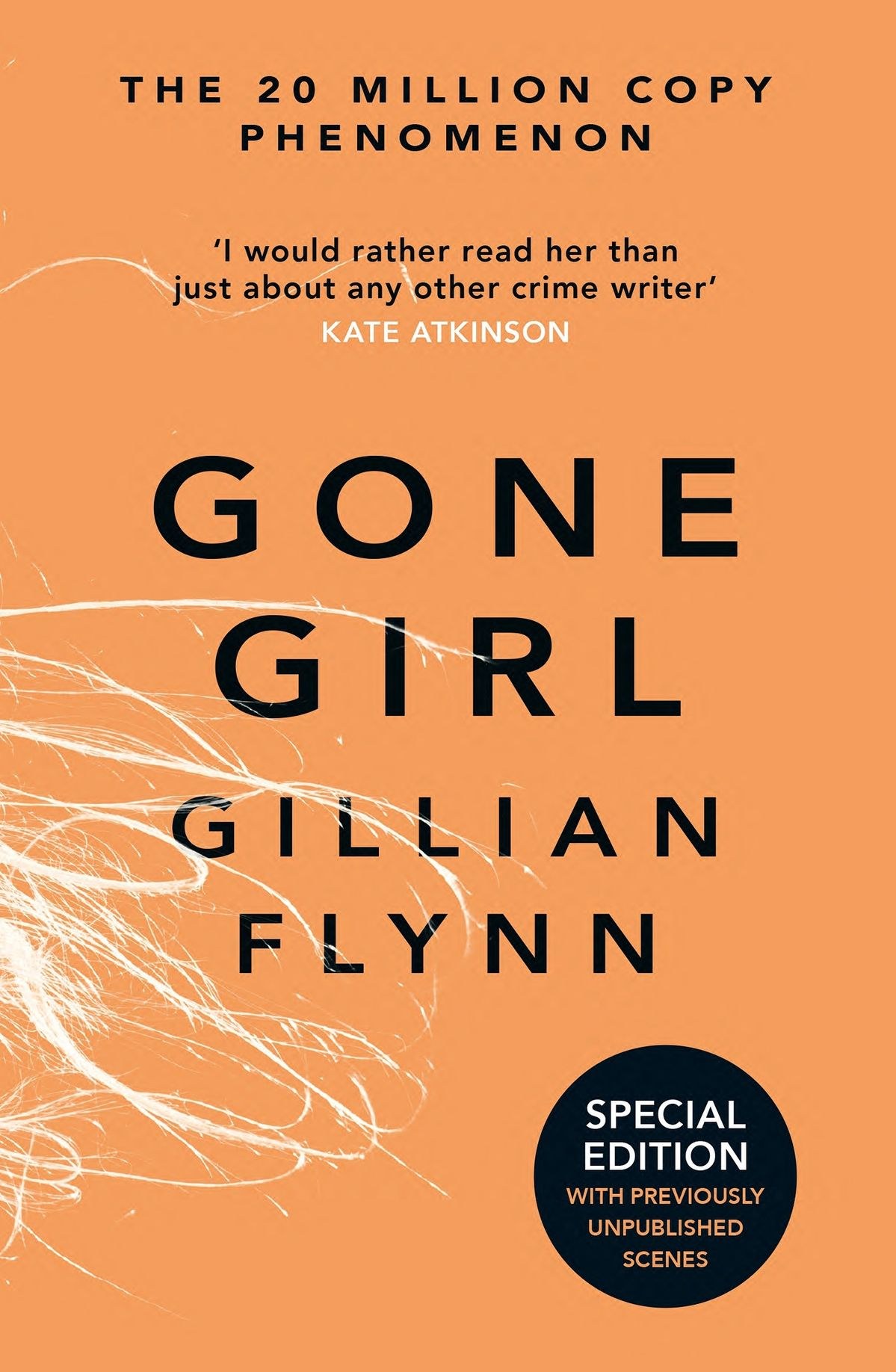
confidence dipped when marriage became too convenient around the midpoint reversal.
I became most involved through the people caught in marriage, especially around the midpoint reversal. Amy and Nick are compelling because both are observant, dishonest, resentful, and skilled at weaponizing public expectations. This gave the premise an emotional center rooted in gender performance rather than theory.
The sections I enjoyed most involved the midpoint reversal, media satire, alternating voices, and poisonous precision of the marriage. I understood the people better through the midpoint reversal than through the more explanatory passages.
The book circles around marriage, gender performance, resentment, class, media judgment, identity, and storytelling as control. I did not agree with every conclusion, but I liked being asked to judge actions connected to marriage, particularly around the midpoint reversal, rather than accept a ready-made moral.
The quietest pages connect marriage to gender performance more convincingly than the louder scenes do.
The best recommendation I can give is specific: read it for the midpoint reversal, and be prepared for the ending frustrates readers who want justice.
Book Summary
When Amy disappears on her wedding anniversary, suspicion falls on husband Nick and the story becomes a battle over marriage and narrative control. Amy and Nick are compelling because both are observant, dishonest, resentful, and skilled at weaponizing public expectations. What follows is a story concerned with marriage, gender performance, resentment, class, media judgment, identity, and storytelling as control, told through pressure on trust, identity, and ordinary decisions.
What I Liked
I liked the midpoint reversal, media satire, alternating voices, and poisonous precision of the marriage. Amy and Nick are compelling because both are observant, dishonest, resentful, and skilled at weaponizing public expectations. Those details gave Gone Girl a distinct emotional shape, and the writing trusted the scenes instead of explaining every idea twice.
What Could Be Better
My main problem was that the ending frustrates readers who want justice, and some supporting characters function mainly as targets. Gone Girl remained readable, but those choices reduced the force of scenes that should have landed harder.
Context Behind the Book
Gillian Flynn is known for dark crime novels centered on difficult women, damaged families, hostile communities, and sharp social performance.