assumptions limit what he can understand, while Estraven becomes the novel's moral and emotional center. That tension kept me involved whenever the pace slowed around gender.
The sections I enjoyed most involved the long ice experience, anthropological world-building, myths, reports, and the transformation of distrust into loyalty. This material keeps the story from turning gender into an argument with character names attached.
For me, the real argument concerns gender and loyalty. The plot matters because it forces gender and loyalty into practical choices, where a clean belief becomes harder to maintain.
My main reservation is that the language of gender reflects its era, and Genly's blind spots can be frustrating. I wanted the story to trust the uncertainty around loyalty, especially in scenes involving the long ice experience, instead of pressing the point again.
I found myself rereading the section around the long ice experience, because it changes the emotional meaning of gender without announcing the change.
The book works better as a study of gender than as a perfectly balanced plot. The long ice experience is the part I remember first.
Book Summary
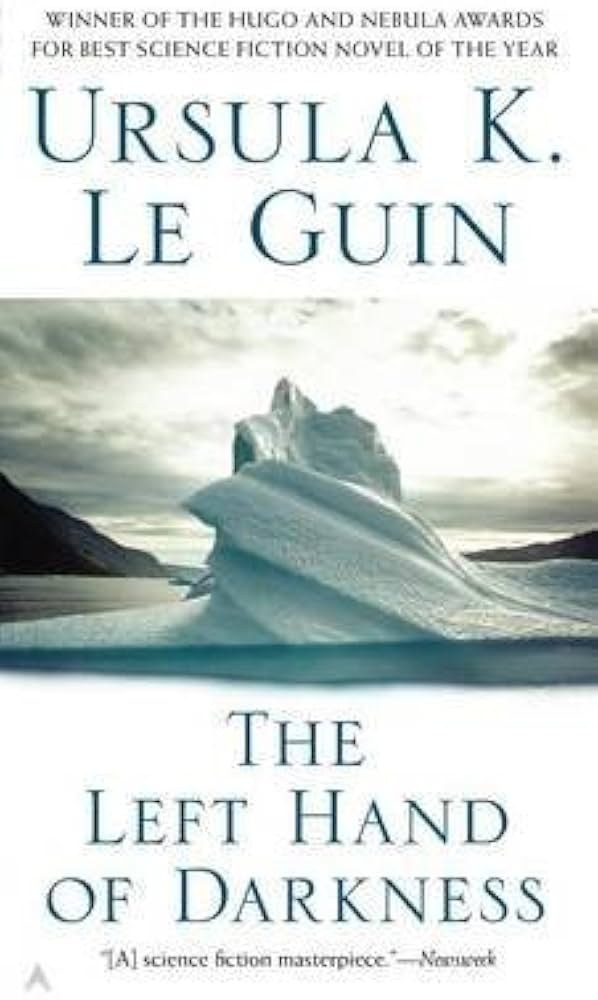
An envoy travels to a planet whose people are ambisexual and tries to persuade divided nations to join a wider interplanetary community. Genly's assumptions limit what he can understand, while Estraven becomes the novel's moral and emotional center. The story examines gender, loyalty, nationalism, perception, exile, difference, and the limits of familiar categories through choices that become harder once their cost reaches other people.
What I Liked
The best material for me was the long ice experience, anthropological world-building, myths, reports, and the transformation of distrust into loyalty. I also responded to the way Genly's assumptions limit what he can understand, while Estraven becomes the novel's moral and emotional center. Together, those choices made the people in The Left Hand of Darkness feel more important than the premise.
What Could Be Better
I was less convinced because the language of gender reflects its era, and Genly's blind spots can be frustrating. I could understand the intention in The Left Hand of Darkness, yet the execution felt easier than the surrounding material.
Context Behind the Book
Ursula K. Le Guin used invented societies to question gender, power, capitalism, authority, language, and assumptions presented as natural.