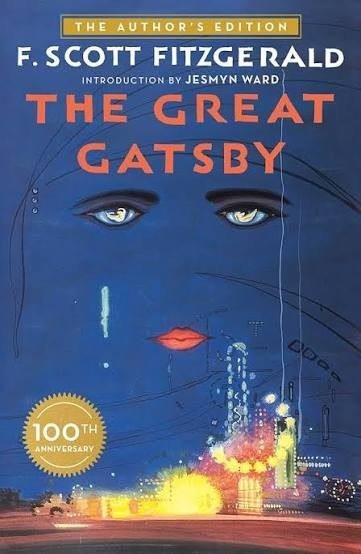
Gatsby is romantic and unsettling, while Nick's half-involved narration keeps admiration and judgment in tension. That contradiction made the emotional logic around desire believable, especially in scenes involving the contrast between glittering parties.
The sections I enjoyed most involved the contrast between glittering parties and private loneliness. These details, especially the contrast between glittering parties, gave me something concrete to hold while the book dealt with desire.
I kept returning to desire, status, memory, class, and self-invention. The book is better when desire and status appear in behavior, especially in who gets believed and who carries the cost afterward.
My main reservation is that Daisy can feel more like an idea than a fully opened character, and the emotional distance may frustrate readers. I could accept some roughness, but this choice weakened the book's treatment of desire, especially after the contrast between glittering parties.
A small strength is how silence changes the meaning of scenes built around the contrast between glittering parties.
What lasts is the contrast between glittering parties. That is where The Great Gatsby found its weight for me.
Book Summary
Nick Carraway moves to Long Island and becomes fascinated by mysterious Jay Gatsby, whose lavish parties hide one obsessive hope. Gatsby is romantic and unsettling, while Nick's half-involved narration keeps admiration and judgment in tension. The story examines desire, status, memory, class, and self-invention through choices that become harder once their cost reaches other people.
What I Liked
What worked for me was the contrast between glittering parties and private loneliness. The book also benefits from this character choice: Gatsby is romantic and unsettling, while Nick's half-involved narration keeps admiration and judgment in tension. I remembered the scenes around the contrast between glittering parties more clearly than the larger speeches.
What Could Be Better
The weaker part for me was that Daisy can feel more like an idea than a fully opened character, and the emotional distance may frustrate readers. It did not erase what worked in The Great Gatsby, though it made the structure feel more visible than I wanted.
Context Behind the Book
F. Scott Fitzgerald repeatedly wrote about wealth, performance, and the emotional cost of ambition; this small, elegant novel became his defining work.