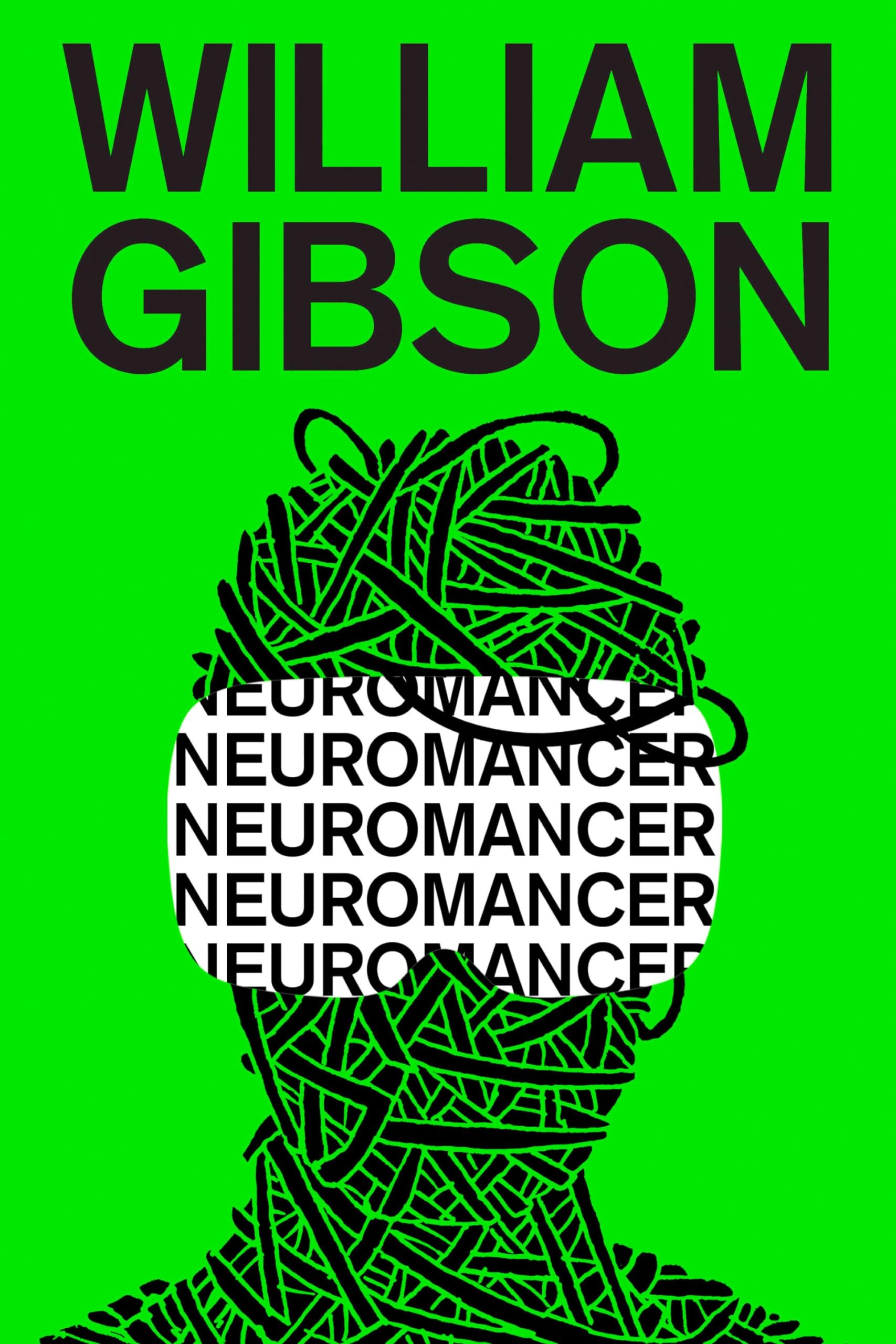
lived environment is also the part I can recall most clearly, which says more than a general compliment would.
The people gave technology its real pressure through cyberspace as a lived environment. Case's emotional distance suits the cold world, while Molly supplies much of the physical energy and mystery. I understood the mistake before I forgave it, and that gap gave identity more force.
I did lose confidence when the plot can be hard to follow, and emotional connection remains intentionally limited. The book had already earned my attention, so the weakness around technology was frustrating rather than fatal.
The book circles around technology, identity, corporate control, artificial intelligence, addiction, and disembodiment. I did not agree with every conclusion, but I liked being asked to judge actions connected to technology, particularly around cyberspace as a lived environment, rather than accept a ready-made moral.
Several scenes improve on reflection because cyberspace as a lived environment acquires a different meaning later.
I would recommend it with one warning: the plot can be hard to follow. Even so, the connection between technology and identity stayed with me.
Book Summary
Washed-up hacker Case is hired for a dangerous digital job involving artificial intelligence, corporate power, and a team he barely understands. At the center of the book, Case's emotional distance suits the cold world, while Molly supplies much of the physical energy and mystery. Its main concerns include technology, identity, corporate control, artificial intelligence, addiction, and disembodiment, though the plot keeps those ideas tied to relationships and consequence.
What I Liked
I liked cyberspace as a lived environment, dense slang, urban atmosphere, and refusal to stop for explanation. Case's emotional distance suits the cold world, while Molly supplies much of the physical energy and mystery. Those details gave Neuromancer a distinct emotional shape, and the writing trusted the scenes instead of explaining every idea twice.
What Could Be Better
My main problem was that the plot can be hard to follow, and emotional connection remains intentionally limited. Neuromancer remained readable, but those choices reduced the force of scenes that should have landed harder.
Context Behind the Book
William Gibson helped define cyberpunk by imagining digital networks, corporate power, and urban alienation before the modern internet existed.