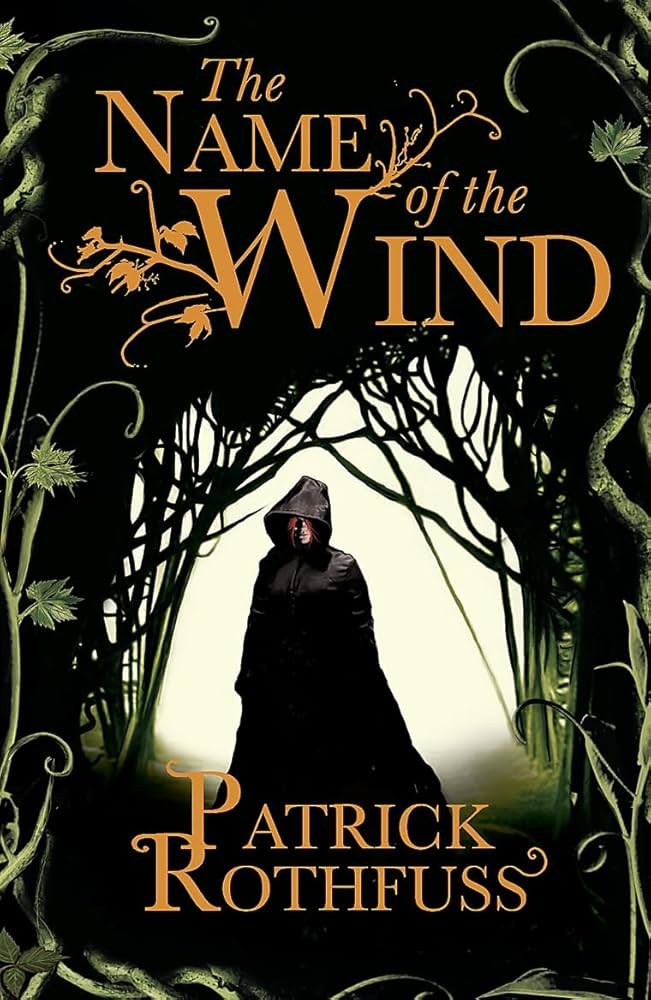
I stayed involved, though my confidence dipped when talent became too convenient around the music.
I became most involved through the people caught in talent, especially around the music. Kvothe is gifted, proud, persuasive, and clearly unreliable. This makes his brilliance entertaining without making every claim trustworthy. This gave the premise an emotional center rooted in reputation rather than theory.
The sections I enjoyed most involved the music, university setting, sympathy-based magic, and framing mystery around the older Kvothe. I understood the people better through the music than through the more explanatory passages.
The book circles around talent, reputation, grief, poverty, knowledge, storytelling, and the gap between a life and its legend. I did not agree with every conclusion, but I liked being asked to judge actions connected to talent, particularly around the music, rather than accept a ready-made moral.
The quietest pages connect talent to reputation more convincingly than the louder scenes do.
The pace is uneven, but the shifts usually follow a change in how the characters understand talent through the music.
Readers who enjoy epic fantasy, coming-of-age with moral friction will probably get the most from it. I finished still thinking about talent.
Book Summary
Legendary Kvothe tells the first part of his life, from traveling performers through loss, poverty, magical education, music, and reputation. Kvothe is gifted, proud, persuasive, and clearly unreliable. This makes his brilliance entertaining without making every claim trustworthy. What follows is a story concerned with talent, reputation, grief, poverty, knowledge, storytelling, and the gap between a life and its legend, told through pressure on trust, identity, and ordinary decisions.
What I Liked
The best material for me was the music, university setting, sympathy-based magic, and framing mystery around the older Kvothe. I also responded to the way Kvothe is gifted, proud, persuasive, and clearly unreliable. This makes his brilliance entertaining without making every claim trustworthy. Together, those choices made the people in The Name of the Wind feel more important than the premise.
What Could Be Better
I was less convinced because Kvothe succeeds at almost everything, Denna remains elusive, and the larger plot advances slowly. I could understand the intention in The Name of the Wind, yet the execution felt easier than the surrounding material.
Context Behind the Book
Patrick Rothfuss became known for lyrical prose, nested storytelling, music, and a charismatic first-person hero whose unfinished series complicates its legend.