ruler through a metal-based magic system and the structure of a heist. I did not need another twist before Allomancy entered the setup. I needed the people affected by trust around Allomancy to feel specific, and mostly they did.
For me, the real argument concerns trust and class. The plot matters because it forces trust and class into practical choices, where a clean belief becomes harder to maintain.
The material I kept returning to was Allomancy, crew dynamics, political planning, and the satisfying way a heist becomes a revolution. The writing is confident here because it lets Allomancy carry meaning without a long explanation.
The weaker stretch comes from the fact that some dialogue is functional, the romance is conventional, and the world can feel visually narrow. The material needed one more honest scene about class, especially around Allomancy, not another shortcut.
I found myself rereading the section around Allomancy, because it changes the emotional meaning of trust without announcing the change.
The book works better as a study of trust than as a perfectly balanced plot. Allomancy is the part I remember first.
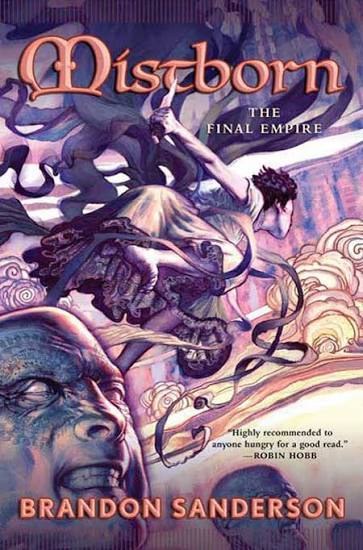
Book Summary
A street thief joins a crew planning to overthrow an immortal ruler through a metal-based magic system and the structure of a heist. The emotional pull comes from the fact that Vin's movement from suspicion to trust gives the plot emotional weight, while Kelsier's charisma keeps heroism and manipulation close. The novel deals with trust, class, rebellion, faith, leadership, myth, and the stories movements tell about heroes without offering a completely clean answer.
What I Liked
I liked Allomancy, crew dynamics, political planning, and the satisfying way a heist becomes a revolution. Vin's movement from suspicion to trust gives the plot emotional weight, while Kelsier's charisma keeps heroism and manipulation close. Those details gave Mistborn: The Final Empire a distinct emotional shape, and the writing trusted the scenes instead of explaining every idea twice.
What Could Be Better
My main problem was that some dialogue is functional, the romance is conventional, and the world can feel visually narrow. Mistborn: The Final Empire remained readable, but those choices reduced the force of scenes that should have landed harder.
Context Behind the Book
Sanderson built his reputation through fantasy that treats magic with engineering clarity while still centering choices and consequences.