Mina Harker gives the group intelligence and emotional steadiness, while Dracula remains frightening because he is never fully explained. The emotional logic is imperfect in a human way, particularly where fear meets self-protection. I was most attentive during the diary-and-letter format, the Transylvanian opening, and the clash between modern tools and ancient danger. I could feel the story settling into its material whenever the diary-and-letter format returned.
I kept returning to fear, invasion, illness, sexuality, technology, and the limits of rational knowledge. The book is better when fear and invasion appear in behavior, especially in who gets believed and who carries the cost afterward.
I did lose confidence when the pursuit becomes repetitive, and the men underestimate Mina despite depending on her. The gap between intention and effect becomes clearest whenever invasion is explained twice.
The book leaves enough room for disagreement about fear, especially around the diary-and-letter format, which made my own reaction more precise.
The quietest pages connect fear to invasion more convincingly than the louder scenes do.
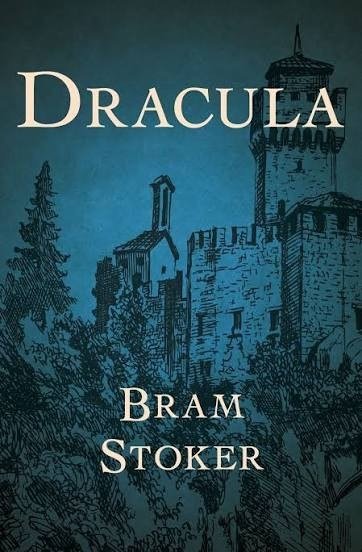
My response to Dracula settled somewhere between affection and argument. The diary-and-letter format kept the book alive after the final page.
Book Summary
Jonathan Harker's trip to Transylvania opens the door for Count Dracula to travel to England, where a group of friends tries to stop him. The book becomes most personal when Mina Harker gives the group intelligence and emotional steadiness, while Dracula remains frightening because he is never fully explained. Its wider questions involve fear, invasion, illness, sexuality, technology, and the limits of rational knowledge, but they remain connected to what the characters risk and lose.
What I Liked
The best material for me was the diary-and-letter format, the Transylvanian opening, and the clash between modern tools and ancient danger. I also responded to the way Mina Harker gives the group intelligence and emotional steadiness, while Dracula remains frightening because he is never fully explained. Together, those choices made the people in Dracula feel more important than the premise.
What Could Be Better
I was less convinced because the pursuit becomes repetitive, and the men underestimate Mina despite depending on her. I could understand the intention in Dracula, yet the execution felt easier than the surrounding material.
Context Behind the Book
Bram Stoker worked in theatre and wrote several novels, but Dracula gathered older vampire traditions into the work that became his lasting cultural legacy.