and convergence of separate plots. The book is most persuasive when the bridge crew stays close to physical detail and conversation.
The people gave leadership its real pressure through the bridge crew. Kaladin's depression and responsibility give the huge novel a human center, while Dalinar's visions open the larger mystery. The best scenes let action expose what the character cannot say about honor.
I did lose confidence when the opening is overwhelming, Shallan's early chapters feel less urgent, and the length demands commitment. My hesitation comes from execution rather than the idea itself, especially where leadership should carry scenes built around the bridge crew.
The larger subject is leadership, honor, trauma, prejudice, oaths, power, duty, and responsibility. I appreciated that leadership is tied to money, family, work, and the bridge crew rather than left as an abstract idea.
One brief exchange about honor, tied to the bridge crew, did more for me than the longer explanations around it.
I ended up at 4.7/5. The book's final hold came from the bridge crew, a specific choice rather than a general message.
Book Summary
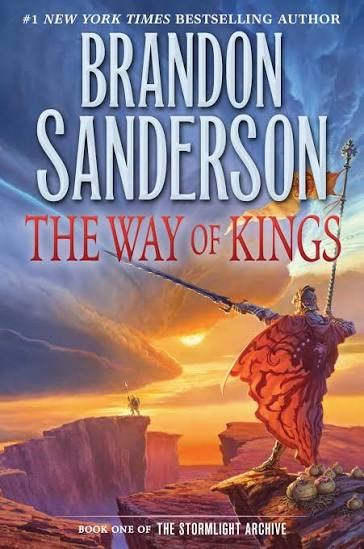
Soldier Kaladin, scholar Shallan, and highprince Dalinar struggle in a world of magical storms, ancient weapons, and war built on incomplete history. At the center of the book, Kaladin's depression and responsibility give the huge novel a human center, while Dalinar's visions open the larger mystery. Its main concerns include leadership, honor, trauma, prejudice, oaths, power, duty, and responsibility, though the plot keeps those ideas tied to relationships and consequence.
What I Liked
My favorite parts involved the bridge crew, gradual reveal of Surgebinding, enormous world-building, and convergence of separate plots. They worked especially well because Kaladin's depression and responsibility give the huge novel a human center, while Dalinar's visions open the larger mystery. In The Way of Kings, the result felt specific rather than manufactured.
What Could Be Better
My reservation is that the opening is overwhelming, Shallan's early chapters feel less urgent, and the length demands commitment. Another reader may accept it, but I felt The Way of Kings lose some control there.
Context Behind the Book
Brandon Sanderson is known for structured magic, large interconnected series, and climaxes that gather many planted details into satisfying payoffs.