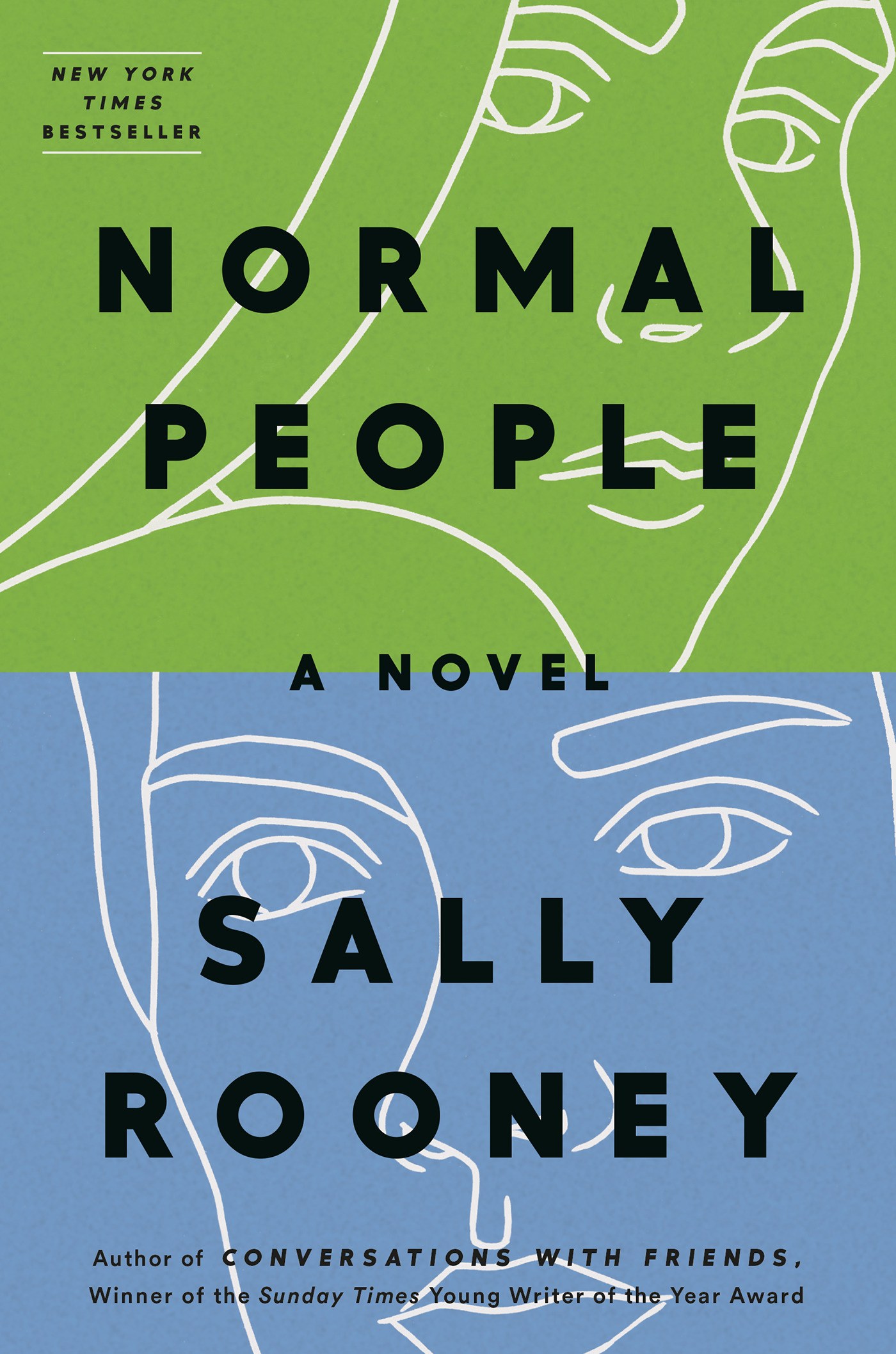
Their connection feels real because affection, class, shame, and timing keep changing which person has more power. The emotional logic is imperfect in a human way, particularly where class meets self-protection. I was most attentive during the small conversational shifts, class reversal at university, and precise depiction of emotional dependence. I could feel the story settling into its material whenever the small conversational shifts returned.
I kept returning to class, intimacy, shame, mental health, friendship, communication, and the difficulty of receiving care. The book is better when class and intimacy appear in behavior, especially in who gets believed and who carries the cost afterward.
I did lose confidence when the repetition of separation and reunion can frustrate, while secondary lives remain peripheral. The gap between intention and effect becomes clearest whenever intimacy is explained twice.
The book leaves enough room for disagreement about class, especially around the small conversational shifts, which made my own reaction more precise.
I did not love every choice, but I believed Normal People's interest in class. That interest in Normal People remained after the plot settled.
Book Summary
Marianne and Connell move in and out of intimacy from school in a small Irish town through university in Dublin, repeatedly failing to say what they need. The book becomes most personal when Their connection feels real because affection, class, shame, and timing keep changing which person has more power. Its wider questions involve class, intimacy, shame, mental health, friendship, communication, and the difficulty of receiving care, but they remain connected to what the characters risk and lose.
What I Liked
I was most engaged by the small conversational shifts, class reversal at university, and precise depiction of emotional dependence. Their connection feels real because affection, class, shame, and timing keep changing which person has more power. The combination gave Normal People warmth, tension, or unease exactly where it needed it.
What Could Be Better
I had trouble with the fact that the repetition of separation and reunion can frustrate, while secondary lives remain peripheral. A little more restraint or development around class in Normal People would have made the emotional result more convincing.
Context Behind the Book
Sally Rooney is an Irish novelist known for spare prose, intimate dialogue, class awareness, and young adults whose intelligence does not prevent emotional confusion.