Theo's longing and self-deception make him convincing, while Boris brings reckless energy that keeps the novel from becoming entirely inward. The emotional logic is imperfect in a human way, particularly where grief meets self-protection. I was most attentive during the museum opening, Theo's years with Hobie, the painting, and the messy loyalty between Theo and Boris. I could feel the story settling into its material whenever the museum opening returned.
I kept returning to grief, beauty, possession, addiction, guilt, chance, and the stories people attach to art. The book is better when grief and beauty appear in behavior, especially in who gets believed and who carries the cost afterward.
I did lose confidence when Theo repeats destructive patterns for hundreds of pages, and the philosophy near the end feels overexplained. The gap between intention and effect becomes clearest whenever beauty is explained twice.
The book leaves enough room for disagreement about grief, especially around the museum opening, which made my own reaction more precise.
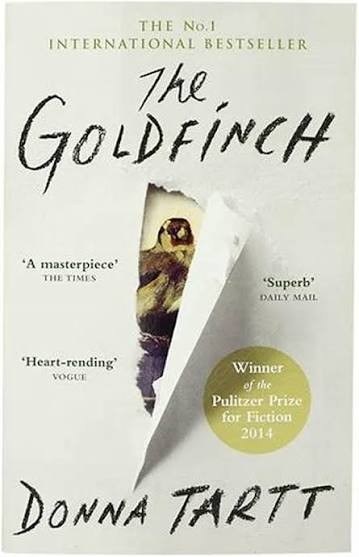
I did not love every choice, but I believed The Goldfinch's interest in grief. That interest in The Goldfinch remained after the plot settled.
Book Summary
After surviving an explosion that kills his mother, Theo steals a small painting and carries its secret through grief, friendship, addiction, and crime. The book becomes most personal when Theo's longing and self-deception make him convincing, while Boris brings reckless energy that keeps the novel from becoming entirely inward. Its wider questions involve grief, beauty, possession, addiction, guilt, chance, and the stories people attach to art, but they remain connected to what the characters risk and lose.
What I Liked
I liked the museum opening, Theo's years with Hobie, the painting, and the messy loyalty between Theo and Boris. Theo's longing and self-deception make him convincing, while Boris brings reckless energy that keeps the novel from becoming entirely inward. Those details gave The Goldfinch a distinct emotional shape, and the writing trusted the scenes instead of explaining every idea twice.
What Could Be Better
My main problem was that Theo repeats destructive patterns for hundreds of pages, and the philosophy near the end feels overexplained. The Goldfinch remained readable, but those choices reduced the force of scenes that should have landed harder.
Context Behind the Book
Donna Tartt is known for long, carefully constructed novels about obsession, secrecy, elite spaces, and morally compromised young people.