The book is most persuasive when Jane's fierce first-person voice stays close to physical detail and conversation.
The people gave love its real pressure through Jane's fierce first-person voice. Jane's refusal to surrender her moral independence makes her feel strikingly modern inside a deeply Victorian world. The best scenes let action expose what the character cannot say about equality.
I did lose confidence when some coincidences are very convenient, and the treatment of Bertha Mason remains troubling. My hesitation comes from execution rather than the idea itself, especially where love should carry scenes built around Jane's fierce first-person voice.
The larger subject is love, equality, faith, independence, and the danger of self-erasure. I appreciated that love is tied to money, family, work, and Jane's fierce first-person voice rather than left as an abstract idea.
I also noticed how often love appears through routine while equality remains unspoken.
The book leaves enough room for disagreement about love, especially around Jane's fierce first-person voice, which made my own reaction more precise.
My rating is 4.6/5. The ending left me with love, not with a neat sense that every problem had been solved.
Book Summary
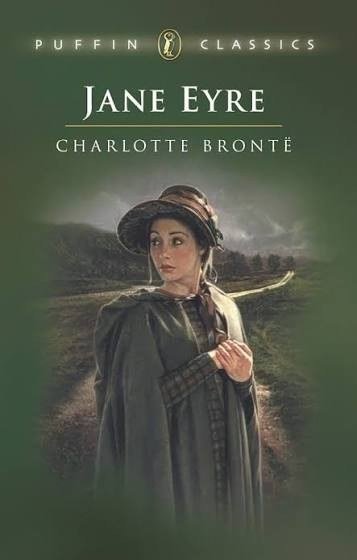
An orphaned girl survives a cruel childhood, becomes a governess at Thornfield Hall, and falls in love with guarded Mr. Rochester. At the center of the book, Jane's refusal to surrender her moral independence makes her feel strikingly modern inside a deeply Victorian world. Its main concerns include love, equality, faith, independence, and the danger of self-erasure, though the plot keeps those ideas tied to relationships and consequence.
What I Liked
I was most engaged by Jane's fierce first-person voice, Thornfield's unease, and the slow trust between Jane and Rochester. Jane's refusal to surrender her moral independence makes her feel strikingly modern inside a deeply Victorian world. The combination gave Jane Eyre warmth, tension, or unease exactly where it needed it.
What Could Be Better
I had trouble with the fact that some coincidences are very convenient, and the treatment of Bertha Mason remains troubling. A little more restraint or development around love in Jane Eyre would have made the emotional result more convincing.
Context Behind the Book
Charlotte Brontë drew partly on her experience as a teacher and governess, but her fiction is remembered for intense interior voices and women demanding equality.