Bilbo grows brave without losing his love of home, food, fairness, and ordinary comfort. The emotional logic is imperfect in a human way, particularly where courage meets self-protection. I was most attentive during the riddles with Gollum, Bilbo's practical courage, Smaug, songs, maps, and the gradual expansion of the world. I could feel the story settling into its material whenever the riddles with Gollum returned.
I kept returning to courage, greed, home, luck, mercy, possession, and stewardship. The book is better when courage and greed appear in behavior, especially in who gets believed and who carries the cost afterward.
I did lose confidence when some chapters feel like separate adventures, and the final battle passes partly outside Bilbo's view. The gap between intention and effect becomes clearest whenever greed is explained twice.
A small strength is how silence changes the meaning of scenes built around the riddles with Gollum.
Several scenes improve on reflection because the riddles with Gollum acquires a different meaning later.
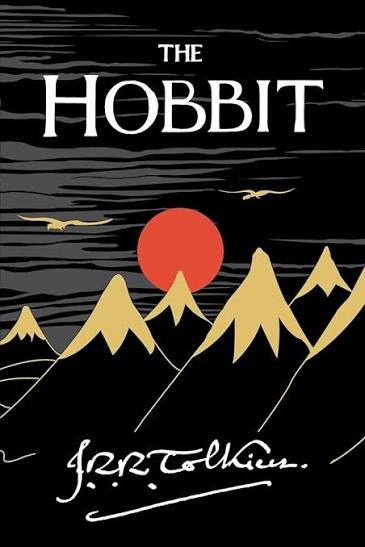
For me, The Hobbit is strongest as a book about courage and greed. The detail I carried away was the riddles with Gollum.
Book Summary
Comfort-loving Bilbo Baggins joins dwarves and a wizard on a experience to reclaim a mountain and treasure from dragon Smaug. The book becomes most personal when Bilbo grows brave without losing his love of home, food, fairness, and ordinary comfort. Its wider questions involve courage, greed, home, luck, mercy, possession, and stewardship, but they remain connected to what the characters risk and lose.
What I Liked
What worked for me was the riddles with Gollum, Bilbo's practical courage, Smaug, songs, maps, and the gradual expansion of the world. The book also benefits from this character choice: Bilbo grows brave without losing his love of home, food, fairness, and ordinary comfort. I remembered the scenes around the riddles with Gollum more clearly than the larger speeches.
What Could Be Better
The weaker part for me was that some chapters feel like separate adventures, and the final battle passes partly outside Bilbo's view. It did not erase what worked in The Hobbit, though it made the structure feel more visible than I wanted.
Context Behind the Book
J. R. R. Tolkien was a philologist whose languages and myths grew into Middle-earth; this began as a children's adventure before joining a larger legendarium.