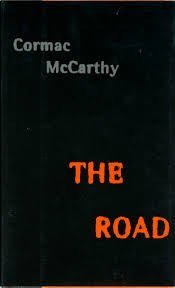
organized by hunger and fear. That setup creates an immediate question about parenthood, yet the answer shifts once survival becomes personal.
I kept returning to parenthood, survival, goodness, grief, trust, and whether moral language survives social collapse. The book is better when parenthood and survival appear in behavior, especially in who gets believed and who carries the cost afterward.
The material I kept returning to was the stripped conversations, promise to carry the fire, and tenderness hidden inside practical survival tasks. These moments make the stakes around survival clearer without spelling them out.
The weaker stretch comes from the fact that the world-building stays deliberately vague, and the bleak encounters can feel emotionally manipulative. Another reader may accept the choice as part of the genre, but I found it distracting because survival and the stripped conversations deserved more room.
The book leaves enough room for disagreement about parenthood, especially around the stripped conversations, which made my own reaction more precise.
My response to The Road settled somewhere between affection and argument. The stripped conversations kept the book alive after the final page.
Book Summary
A father and son travel through a burned, nearly empty America while trying to remain human in a world organized by hunger and fear. The emotional pull comes from the fact that The boy's moral questions keep the father's survival logic from becoming the novel's only definition of love. The novel deals with parenthood, survival, goodness, grief, trust, and whether moral language survives social collapse without offering a completely clean answer.
What I Liked
What worked for me was the stripped conversations, promise to carry the fire, and tenderness hidden inside practical survival tasks. The book also benefits from this character choice: The boy's moral questions keep the father's survival logic from becoming the novel's only definition of love. I remembered the scenes around the stripped conversations more clearly than the larger speeches.
What Could Be Better
The weaker part for me was that the world-building stays deliberately vague, and the bleak encounters can feel emotionally manipulative. It did not erase what worked in The Road, though it made the structure feel more visible than I wanted.
Context Behind the Book
Cormac McCarthy wrote novels of violence, setting, moral extremity, and difficult grace, often using spare dialogue and grave biblical rhythms.