Someone remembering her severe nut allergy, helping with a difficult morning, or understanding that money cannot simply be spent without thought may seem small beside grand romantic gestures, but for Larissa those actions mean being seen accurately. The novel is much stronger when romance appears through this kind of everyday attention than when it leans into declarations about destiny.
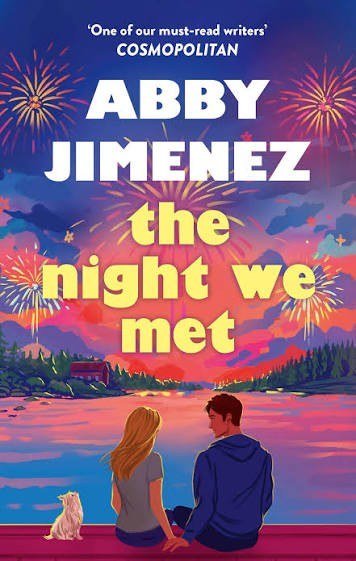
The rescue dog gives Chris and Larissa another reason to remain in each other’s lives, but the animal is more than a cute device dropped into the story to generate scenes together. Sharing responsibility for the Yorkie creates a strange little domestic space in which the two characters begin behaving like partners before either is willing to admit what that means. They coordinate schedules, worry together, exchange books, tease each other, and slowly develop routines that feel easier than the relationship Larissa is officially in. Jimenez often uses humor this way, allowing ridiculous or affectionate moments to sit beside much heavier subjects without completely changing the tone. The dog material could easily have become excessively cute, but it mostly works because it reveals compatibility through behavior rather than explanation.
Mike is the character the novel has to handle most carefully, because making him obviously terrible would solve the moral problem too easily. If Larissa’s boyfriend were simply cruel, selfish, or unfaithful, readers would have little reason to care about Chris’s loyalty to him. Instead, Mike has his own struggles, including problems he has not fully revealed to Larissa, and Chris knows enough about those difficulties to feel responsible for protecting him. That makes the friendship conflict more convincing because Chris is not staying silent out of some abstract masculine code; he has history with Mike and understands vulnerabilities Larissa cannot yet see. The novel becomes more interesting whenever it allows compassion for Mike to coexist with the growing sense that Larissa may still be in the wrong relationship.
This is also where the book’s treatment of loyalty becomes more complicated than the romance trope initially suggests. Loyalty sounds admirable until it starts requiring people to lie, hide things, or remain in situations that are damaging them. Chris believes being a good friend means refusing to take something Mike values, while Larissa has her own ideas about what she owes the person she chose first. Both of them spend a significant part of the story treating their feelings as a problem that can be managed through discipline. The result is a very slow burn, sometimes almost painfully slow, but that pace fits the ethical tension because moving quickly would make the characters less believable.
Jimenez also gives the story heavier material than the cheerful cover and romantic premise might suggest. Financial insecurity, grief, addiction, family illness, trauma, and mental health concerns all press against the central relationship, and contemporary reviews have noted that these subjects give the romance a more adult emotional texture. The challenge with this approach is balance: when every character carries a serious problem, a romance can begin to feel as though hardship is being stacked deliberately to increase emotional impact. The Night We Met occasionally comes close to that point, especially later when several difficult issues are competing for attention, but the strongest scenes remain grounded in specific consequences rather than broad tragedy.
The biggest weakness for me is that the central obstacle can sometimes feel so carefully maintained that the structure becomes visible. Because the entire novel depends on Chris and Larissa not acting on what they both increasingly understand, there are stretches where another conversation, another interruption, or another reason for restraint arrives exactly when the story needs it. That is common in slow-burn romance, but here the moral stakes make the delay both more justified and more frustrating. Some readers will probably love the extended pining; others may feel the story keeps circling an emotional truth the characters have already recognized. The book is most convincing when the delay comes from genuine loyalty or fear, and less convincing when it feels like the plot protecting its own tension.
I also think the novel occasionally idealizes Chris a little too much. His thoughtfulness is central to the romance, but once he becomes the man who remembers everything, helps quietly, reads constantly, cares for the dog, understands Larissa’s financial reality, and refuses to betray his friend, Mike has a difficult time competing on equal narrative terms. The reader is meant to see why Larissa chose the wrong man, but the contrast can become so strong that the original decision starts looking less psychologically interesting than it could have been. A messier Chris would have made the emotional triangle even stronger because Larissa would then be choosing between two complicated people rather than gradually recognizing which man the narrative has prepared as the better partner.
Still, the novel understands something important about romantic compatibility: it often becomes visible in ordinary life before anyone is ready to call it love. Larissa and Chris work because they notice the same kinds of things, share small interests, make each other laugh, and instinctively reduce rather than increase the burden the other person is carrying. Their relationship is not built primarily around physical attraction, even though the sexual tension eventually becomes significant. It grows through repeated evidence that being together feels easier and more honest than being apart, and that makes the emotional payoff satisfying after so much restraint. The slow burn works because the friendship underneath it has enough detail to feel like a relationship even before the characters allow themselves to name it.
What stayed with me most was the novel’s interest in timing rather than fate. It would be easy to say Larissa simply chose the wrong man after the concert and should have chosen Chris, but that would erase everything the later relationships teach them. The people Chris and Larissa become through grief, financial pressure, friendship, and difficult choices are not exactly the people who met that first night. The question is therefore not whether one decision ruined their lives, but whether people are allowed to change direction after realizing a choice no longer fits. Jimenez makes that question painful because changing direction may be necessary and still hurt someone who did not deserve to be hurt.
Book Summary
Larissa meets two men after a concert and makes what seems like a completely ordinary decision: she accepts a ride home from Mike instead of his quieter friend Chris. Mike soon becomes her boyfriend, while Chris gradually becomes one of the people she trusts most. He helps when Larissa’s mother needs surgery, shares her love of books, co-parents a chaotic rescue Yorkie with her, and repeatedly makes an already difficult life feel a little easier. The problem is obvious long before either of them is willing to say it aloud: Larissa chose the wrong man that night, and the man she is falling for is her boyfriend’s best friend.
Abby Jimenez turns that uncomfortable setup into a slow-burn romance about loyalty, timing, money, grief, addiction, friendship, and the choices people make when doing what feels right would still hurt someone else. Chris and Larissa’s connection grows through ordinary acts of care rather than instant attraction, which makes the central conflict harder rather than easier. Their feelings may be real, but that does not mean acting on them would be harmless.
What I Liked
The best part of the novel is the way Chris and Larissa’s relationship develops through ordinary life rather than instant chemistry. Their shared dog, books, food conversations, hospital trips, and practical acts of care give the friendship enough texture that the eventual romance feels built rather than announced. I also liked that Jimenez takes the moral problem seriously: Chris does not simply decide that loving Larissa gives him permission to betray his closest friend, and Larissa does not treat attraction as a reason to ignore the relationship she already has. The financial pressure around Larissa is another strong element because it makes small acts of consideration matter in believable ways.
The slow burn also benefits from Chris’s quiet personality. He is not constantly making speeches about what he feels, so much of the yearning appears through what he chooses not to do and what he does for Larissa without claiming credit. That restraint gives the romance tension without requiring artificial hostility between the leads. The humor, especially around the rescue dog and their everyday routines, also keeps the book warm even when the surrounding subjects become much heavier.
What Could Be Better
The middle can feel prolonged because Chris and Larissa understand their feelings well before the story is ready to let them confront the consequences. Their reasons for restraint are often convincing, but repeated delays occasionally make the plotting visible. The novel also gives Chris so many attractive qualities that Mike sometimes feels disadvantaged by the structure itself, which reduces some of the complexity of Larissa’s original choice. A few more genuine flaws in Chris would have made the triangle less emotionally predetermined.
The amount of serious material is another small concern. Debt, family illness, grief, addiction, trauma, and mental-health struggles give the characters adult problems, but placing so many pressures inside one romance sometimes makes the emotional load feel deliberately accumulated. The best sections are the quieter ones where one or two of those problems affect a specific choice rather than scenes where several sources of pain compete for attention.
Context Behind the Book
Abby Jimenez is a #1 New York Times bestselling contemporary romance author whose novels have sold more than six million copies and been translated into twenty-eight languages. Her books include The Friend Zone, The Happy Ever After Playlist, Life’s Too Short, Part of Your World, Yours Truly, Just for the Summer, Say You’ll Remember Me, and The Night We Met. Before becoming a novelist, Jimenez founded Nadia Cakes and became a Cupcake Wars champion, and her public writing career has retained the combination of humor and emotional seriousness that characterizes much of her fiction. The Night We Met is listed as the second book in the Say You’ll Remember Me series and continues the interconnected world of Jimenez’s recent romances. The central story belongs to Larissa and Chris, however, so readers can follow their relationship without having read every earlier novel, while returning readers will recognize connections that give the surrounding characters additional context.