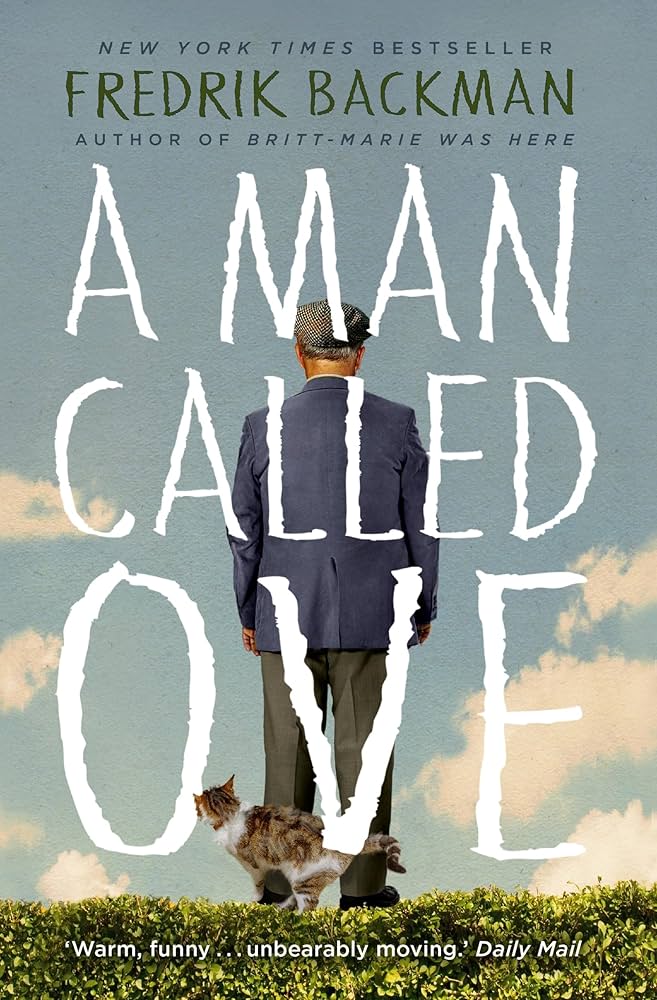
Ove can be rude, impatient, and unfair, but his actions keep revealing a tenderness that his language tries to hide.
The neighborhood relationships give the story most of its emotional movement. The people around Ove do not treat his loneliness as something distant or private. They knock on his door, ask for help, create new problems, and slowly become part of his daily routine whether he wants them there or not. At first, these interruptions seem almost comic. Later, they become important because they give Ove reasons to remain connected to the world. The novel does not make grief disappear. Instead, it shows how responsibility, habit, and even irritation can sometimes become forms of attachment.
Memories of Sonja add another layer to Ove’s character. Through them, we begin to understand who he was before grief hardened him. Sonja saw more in him than most people did, and their relationship explains why the life he once had feels impossible to replace. These memories also make his present behavior more understandable without excusing all of it. His anger often comes from loss, fear, and the feeling that the world has changed in ways he cannot control.
The book is also interested in usefulness. Ove has spent much of his life defining himself through work, competence, routine, and being the person who knows how things should be done. Losing work, losing Sonja, and growing older threaten that identity all at once. This is why the small practical tasks in the novel matter so much. Helping someone repair something or solve a problem may seem minor, but for Ove, these moments give him a place in other people’s lives.
Not everything works equally well. Some of the neighbors are drawn broadly, and the emotional pressure can occasionally feel obvious. The repeated focus on Ove’s attempts to die also requires care because the book moves between very serious material and comedy. Even so, the stronger scenes usually come back to ordinary human contact rather than dramatic speeches.
What stayed with me most was the way grief becomes visible through routine. Ove keeps doing things the way he always has because routine is one of the few structures he still understands. The novel slowly changes the meaning of those routines by placing other people inside them.
That is why A Man Called Ove works best as a story about connection rather than simply sadness. Ove does not suddenly become a different person. He remains stubborn, difficult, and exacting. What changes is that other people stop letting him disappear completely into his grief, and he gradually allows them to matter.
Book Summary
A rigid widower repeatedly attempts to end his life but keeps being interrupted by neighbors who need help and refuse to leave him alone. Ove's anger becomes understandable without being excused, and his practical care reveals affection before he can speak it. The plot uses that situation to examine grief, suicide, aging, usefulness, love, work, community, and identities built through routine, especially when a private choice begins affecting people who had no say in it.
What I Liked
The best material for me was the neighborhood relationships, memories of Sonja, unwanted responsibility, and comedy built from practical competence. I also responded to the way Ove's anger becomes understandable without being excused, and his practical care reveals affection before he can speak it. Together, those choices made the people in A Man Called Ove feel more important than the premise.
What Could Be Better
I was less convinced because the emotional manipulation is visible, some neighbors are caricatures, and repeated suicide attempts require care. I could understand the intention in A Man Called Ove, yet the execution felt easier than the surrounding material.
Context Behind the Book
Backman's international breakthrough established his recurring interest in gruff characters whose tenderness appears through practical acts rather than speeches.