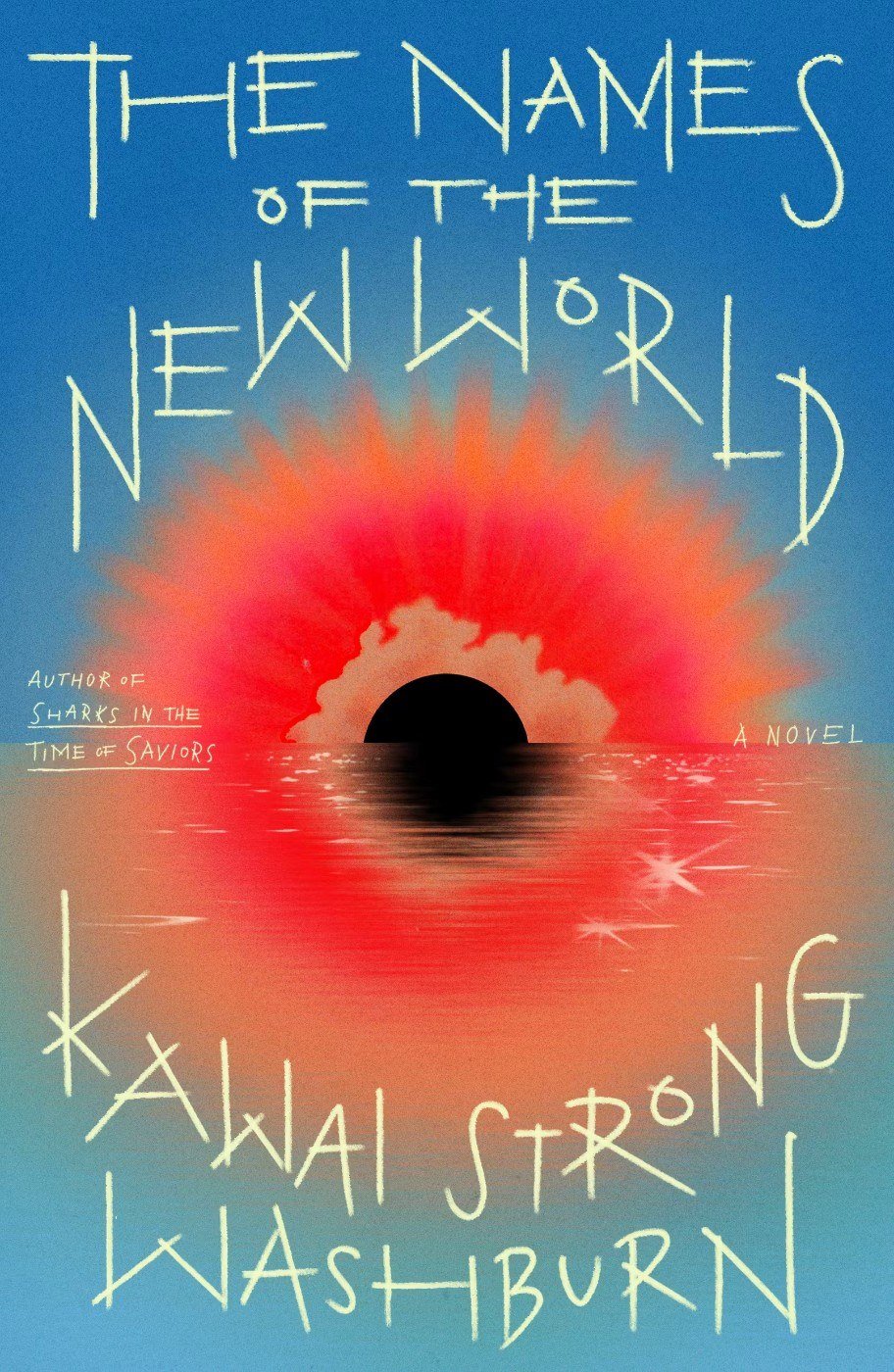
The Names of the New World opens with disaster, but the storm itself is only the beginning. Washburn is more interested in what happens after the emergency passes and people have to build lives inside the consequences. Naomi, Amaré, and Raheem meet because the Ultra destroys much of Minneapolis, yet their relationship continues long after survival stops being the immediate problem. That gives the novel a wider scale than a typical climate thriller, because the real subject is how one catastrophic event changes careers, relationships, politics, and entire ideas about the future.
Naomi is the strongest character because her anger has somewhere to go. She begins as a lawyer frustrated with her work and gradually turns climate responsibility into the center of her life, first through litigation and later through politics. Her determination is admirable, but the book is careful about showing what that commitment costs. The policies she fights for threaten industries connected to Amaré and Raheem, which means the climate argument never stays comfortably abstract. The people she loves may agree that the world has to change while still fearing what that change will do to them personally.
Amaré and Raheem keep the novel from becoming only Naomi’s political story. Amaré believes deeply in ambition, money, and the ability to build a better life through success, while Raheem’s livelihood is tied to diesel engines at exactly the moment the world is being pushed away from fossil fuels. Neither man is simply positioned as the person who “doesn’t understand” climate change. Their concerns are practical, and that gives the novel more tension because environmental transition creates winners and losers even when the larger goal is necessary.
The book is at its best when policy appears through those personal conflicts. It becomes weaker when some conversations start sounding more like briefings than arguments between people with complicated histories. Publishers Weekly raised a similar concern, and I think it is fair: there are stretches where Washburn explains the mechanics of climate policy more directly than the story needs. Still, those heavier sections are balanced by vivid disaster scenes, strong character work, and a final movement that imagines the future with more hope than many climate novels allow.
The last section, which jumps decades ahead, is one of the book’s biggest risks and one of its strongest choices. Instead of ending with collapse, Washburn imagines what adaptation, rewilding, cleaner cities, and changed social systems might actually look like after years of struggle. The future is not presented as easy or utopian, but neither is it treated as inevitably doomed. That shift gives the novel unusual emotional weight because the characters’ sacrifices become part of a world they may not fully live to enjoy.
What stayed with me most was the way the novel connects climate change to ordinary ambition. Naomi wants justice, Amaré wants success, and Raheem wants stability, but none of those desires can remain separate once the world around them starts changing. Washburn does not pretend there is a solution without cost, which makes the hopeful ending feel more convincing than simple optimism would.