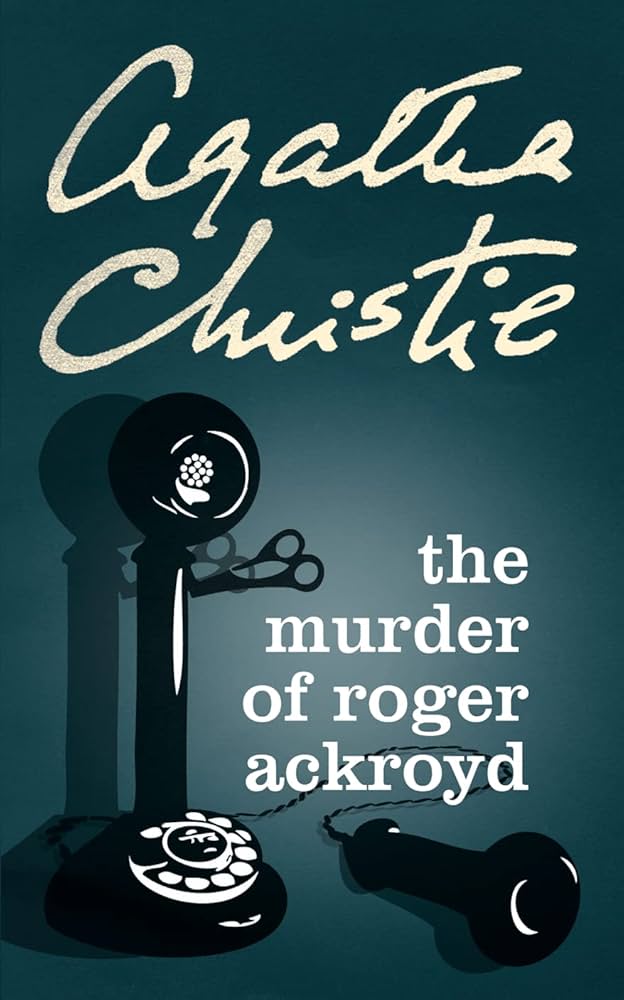
Poirot is at his absolute peak here, using his "little grey cells" to notice tiny details that everyone else ignores, like a ruffled chair cover or a scrap of fabric in the summerhouse. The pacing is perfect; it's a slow build of tension where every chapter makes you suspect a different person.
One detail stayed with me after I finished The Murder of Roger Ackroyd. What I really loved about this book was the atmosphere of the small village and how Poirot's brilliance is contrasted with the seemingly simple life of a country doctor. The part of The Murder of Roger Ackroyd that held it back was just as clear. On the other hand, some modern readers might find the middle section a bit slow as Poirot spends a lot of time on minute details like the exact time a phone call was placed or when a window was opened. That mix in The Murder of Roger Ackroyd left me with a more specific reaction than a simple recommendation would.
But the reason people still talk about this book 100 years later is the ending. It's more than a twist; it's a total reimagining of what a narrator can be. It challenges the reader to look back at every single sentence they've read and realize they were being shown the truth the whole time,they just weren't looking at it the right way. It's brilliant, slightly controversial, and completely unforgettable. It's a masterpiece of deception.
Book Summary
In the quiet village of King's Abbot, a wealthy widower named Roger Ackroyd is found murdered in his study. The case is a total head-scratcher because the door was locked from the inside and everyone seems to have an alibi. Luckily, a certain retired Belgian detective with a magnificent mustache,Hercule Poirot,has just moved in next door to grow vegetable marrows. He comes out of retirement to assist the local doctor, James Sheppard, in uncovering a truth that no one saw coming.
What I Liked
What I really loved about this book was the atmosphere of the small village and how Poirot's brilliance is contrasted with the seemingly simple life of a country doctor. The writing is incredibly tight, and the way Christie uses the "unreliable narrator" trope before it was even a popular concept is just spectacular. It's a book that rewards you for paying attention, but still manages to pull the rug out from under you in the final pages.
What Could Be Better
On the other hand, some modern readers might find the middle section a bit slow as Poirot spends a lot of time on minute details like the exact time a phone call was placed or when a window was opened. If you aren't a fan of the "cozy mystery" style where people spend a lot of time talking in parlors, it might feel a bit stationary compared to a thriller. However, these are minor gripes when you consider how satisfying the final reveal actually is.
Context Behind the Book
This was the book that made Agatha Christie a household name. It caused a huge stir in the "Detection Club" because some members felt she had cheated the reader, while others thought it was pure genius.