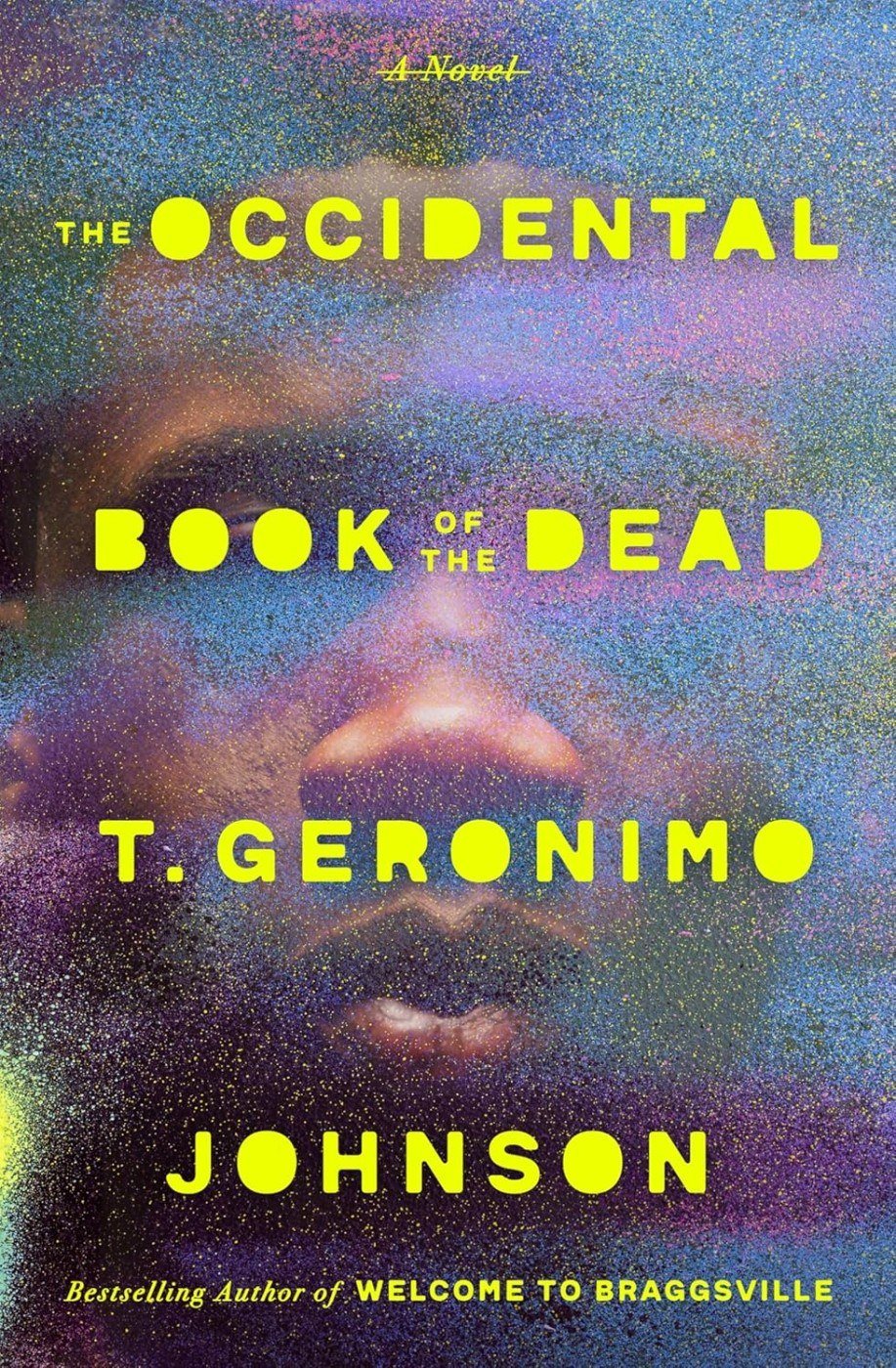
The Occidental Book of the Dead starts like a police procedural, but T. Geronimo Johnson quickly makes it clear that solving one shooting is not really the point. George Washington Jonson has spent years building a life that separates him from the neighborhood where he grew up, and he has learned how to survive inside a police department whose contradictions he understands better than he admits. When rookie officer Lukas Utner shoots Anthony Montana, a white teenager, George suddenly finds himself standing between several versions of the truth. The question of whether the shooting was justified becomes tangled with loyalty, evidence, institutional pressure, and George’s own history. Johnson uses that event as the opening into a much larger examination of how people learn to live comfortably with systems they know are broken.
George is compelling because Johnson never makes him easy to classify. He is thoughtful, funny, devoted to his family, and capable of seeing injustice clearly, yet he has also spent years ignoring or rationalizing things that allowed him to remain successful. His friendship with veteran officer Tucker is especially important because it shows how personal loyalty can make structural problems easier to excuse. George does not wake up one morning and discover that policing is complicated; he has always known. What changes is that the shooting forces him to confront how much he has accepted in order to belong.
The novel becomes more unusual when it starts questioning its own version of events. George tells the story through shifting accounts and later “confessions,” while the book repeatedly asks whether any clean narrative about race, policing, or innocence can survive close examination. Johnson even plays with the idea that George’s story has already been turned into more digestible versions for audiences who want clear heroes and villains. That structure can be disorienting, but it is also one of the novel’s strengths because the reader is forced to reconsider earlier assumptions rather than simply wait for the next clue. Publishers Weekly particularly praised the way the second half overturns expectations created by the first.
The book also reaches far beyond the immediate shooting. George’s investigation and memories lead into housing discrimination, debt, prisons, public schools, neighborhood destruction, policing, and the long consequences of decisions made by institutions decades earlier. At more than six hundred pages, the novel occasionally feels determined to include every part of that history, and there are moments where the social analysis slows the procedural momentum. Still, Johnson’s humor prevents the book from becoming dry. The satire is often profane, strange, and deliberately uncomfortable, which makes serious material easier to enter without making it less serious.
My main reservation is the same quality that makes the novel distinctive: it is doing a lot at once. The shifting versions of events, metafiction, historical commentary, police investigation, family material, and dark comedy can occasionally feel crowded, and readers wanting a clean mystery with a definitive answer may become frustrated. The ending is more interested in exposing the limits of tidy explanations than in giving every thread a conventional resolution. That choice fits the novel’s argument, but it also means the book demands more patience than a standard crime novel.
What stayed with me most was George’s gradual recognition that being a decent person inside a damaged institution does not automatically make his choices harmless. Johnson refuses both easy condemnation and easy redemption, which keeps George interesting even when his decisions are difficult to defend. The novel is angry about American institutions, but it is equally interested in the private compromises that allow those institutions to continue.